中国精密工具公司
翻译



数控原型成本驱动因素
12 月 23, 2016
CNC 原型制造成本驱动因素: 决定 CNC 加工原型成本的因素?
优化设计的综合指南, 精细公差, 以及降低制造费用
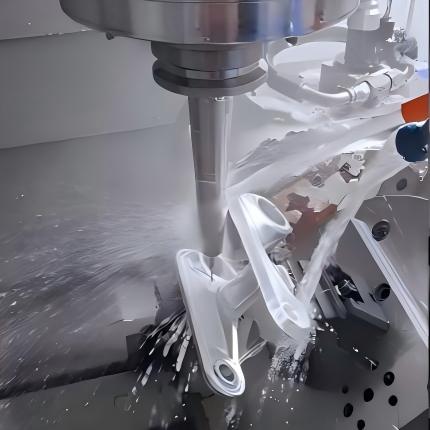
CNC 加工仍然是生产原型最可靠和精确的制造方法之一,适用于航空航天等行业, 汽车, 医疗, 电子, 和工业设备. 然而, CNC 原型制作成本因项目而异.
了解 CNC 原型制作的主要成本驱动因素可以帮助工程师和产品开发人员做出明智的决策, 优化设计, 并在不降低质量的前提下降低制造费用. 在 GPT 精密公司, Ltd, 我们经验丰富的工程团队帮助客户在性能, 精度, 和预算之间取得平衡,以实现最具成本效益的原型解决方案.
影响 CNC 原型制作成本的因素?
CNC原型制造的成本主要受四个主要因素的影响:
零件设计复杂性
公差要求
材料选择
表面处理要求
让我们详细分析每个因素.
1. 设计复杂性
零件几何形状是影响CNC加工成本的最重要因素之一. 具有基本特征的简单组件, 平面表面, 标准孔可以快速高效地加工. 相比之下, 复杂几何形状需要额外的加工操作, 专用刀具, 多次装夹, 以及更长的加工周期, 所有这些都会增加生产成本.
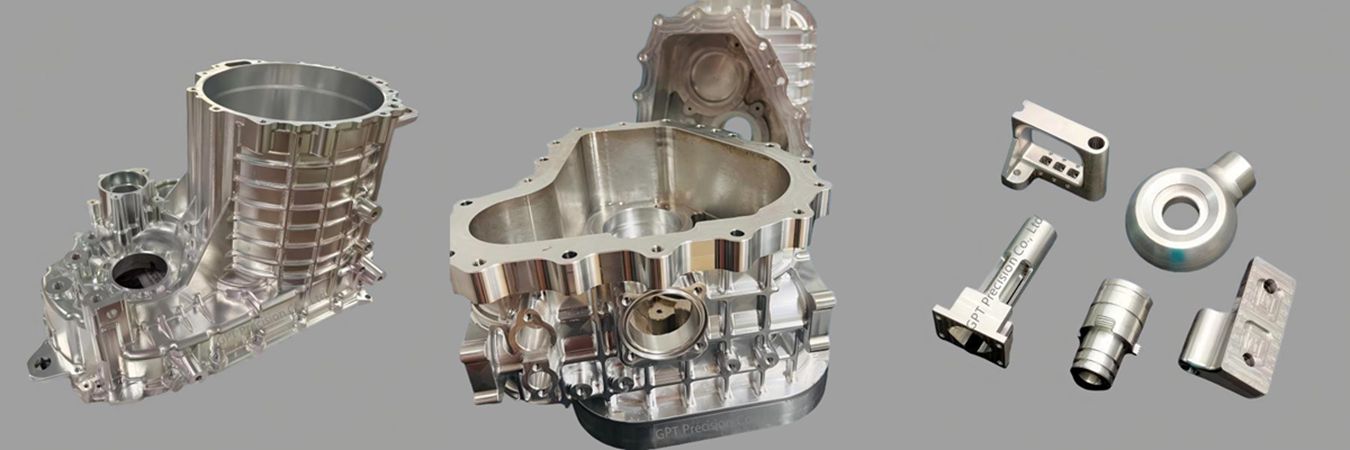
图 2: 可视化几何难度: 简单与复杂几何形状.
通常会增加加工费用的特征包括:
- 深腔
- 倒扣
- 薄壁
- 多孔尺寸
- 复杂轮廓
- 紧密的内部角落
- 高细节表面特征
所需加工时间越长, 最终成本越高. 当预算有限时, 审查设计的可制造性 (DFM) 通常可以发现简化某些特征同时保持功能性的机会. 在 GPT 精密, 我们的工程团队与客户紧密合作,以优化零件设计,实现性能和成本效率.
💡 专业提示: 通过DFM审查节约成本
细微的几何调整可以显著减少周期时间. 在 GPT 精密, 我们在每次报价时都会自动提供DFM分析.
2. 公差要求
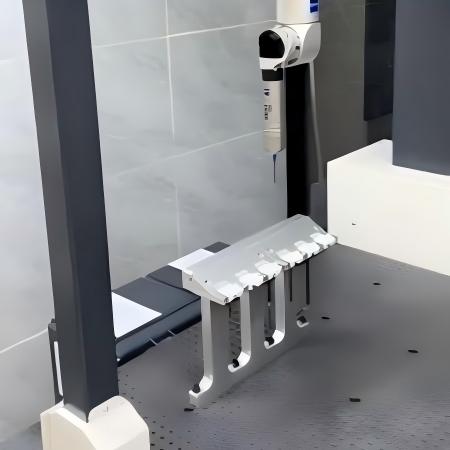
公差规范直接影响加工成本. CNC加工的最大优势之一是其能够生产高度精确的零件. 然而, achieving extremely tight tolerances requires slower machining speeds, additional inspection procedures, and more precise machine adjustments.
As tolerance requirements become tighter, manufacturing costs increase substantially. Research has shown that machining costs can nearly double when moving from relatively loose tolerances to standard precision tolerances. Costs may increase several times further when ultra-tight tolerances are required.
For prototype applications, it is important to evaluate whether every feature truly requires tight tolerances. Applying precision only where functionally necessary can lead to substantial cost savings.
3. Material Selection
Material choice has a direct impact on CNC prototyping costs. The overall material cost consists of both raw material price and machinability. 即使购买价格相近的材料,其加工成本也可能因易切割和易加工程度不同而有所差异.
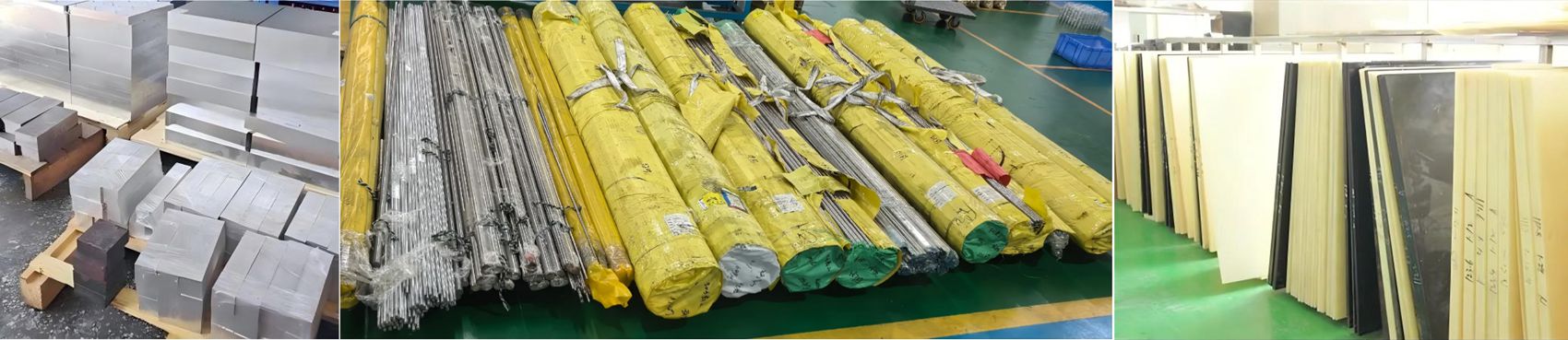
图 4: 标准工程塑料和金属的制造成本比较.
常见原型塑料: ABS, POM (Delrin), PC (聚碳酸酯), PA (尼龙), PMMA (有机玻璃).
常见原型金属: 铝, 不锈钢, 钛, 黄铜, Inconel, 工具钢.
为应用选择最合适的材料可以显著降低整体项目费用.
4. 表面加工要求
表面加工是CNC原型成本的另一个重要组成部分. 加工后, 零件可能进行各种后处理以改善外观, 耐用性, 抗腐蚀性, 或功能.
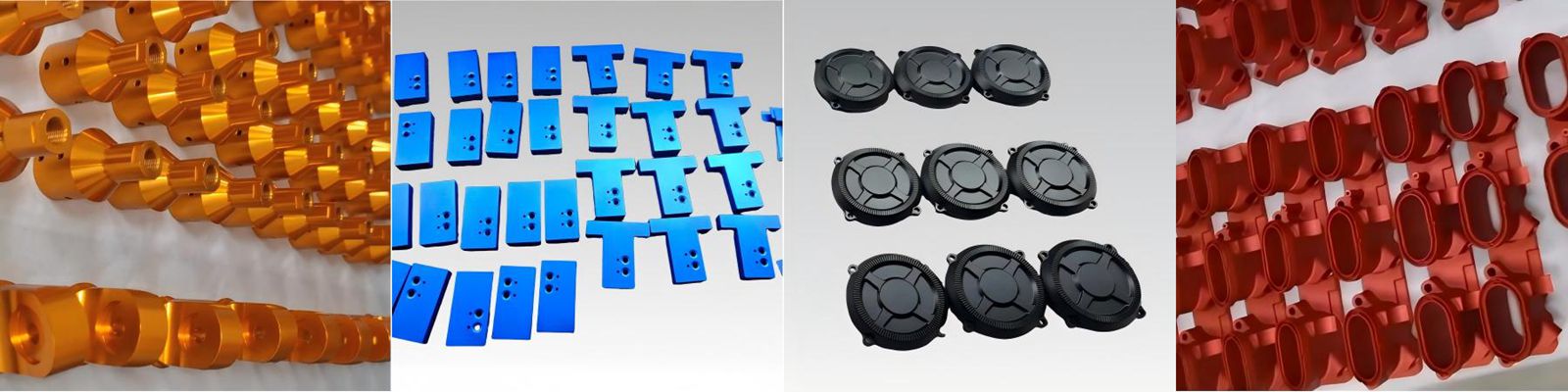
图 5: Highlighting diverse material textures and visual finish options.
Each additional finishing process adds labor, equipment usage, and processing time. For prototypes where appearance is not critical, choosing an as-machined finish can be an effective way to minimize costs. If surface treatment is required, selecting a single finishing process rather than multiple treatments can help maintain budget control.
Additional Factors Influencing CNC Prototyping Costs
- Production Quantity: lower volumes, producing multiple identical parts reduces the cost per unit.
- Machine Setup Time: Complex setups, custom fixtures, and multiple machine operations increase costs.
- Lead Time Requirements: Expedited production schedules carrier a higher pricing surcharge.
- Supplier Experience: Experienced engineering team can often reduce project costs through optimized machining strategies.

图 6: Engineering collaboration optimizing designs for manufacturability and lower prototyping costs.
Why Choose GPT Precision for Aluminum CNC Machining?
在 GPT 精密公司, Ltd, we specialize in high-precision CNC milling and aluminum component manufacturing.
Our Capabilities
- ✓ Dozens of advanced CNC machining centers
- ✓ 3-axis, 4-轴, and 5-axis machining
- ✓ Complex multi-face machining in a single setup
- ✓ Tolerances as tight as ±0.001 mm
- ✓ Prototype to mass production services
- ✓ Engineering support from concept to product
Industries We Serve
- 航空航天
- 汽车
- 电子产品
- 医疗设备
- Industrial Eq.
- Food Processing
Whether you have a complete CAD model or just an initial concept, our engineering team can help transform your ideas into precision-manufactured components with exceptional quality, accuracy, and reliability.
也许你也喜欢
» 各种制造用铝合金
 三轴终极指南, 4-轴, 五轴数控加工
 数控加工中的常见问题及解决方案
 数控铣削与数控车削——区别
 各种制造用铝合金
 数控原型成本驱动因素
服务