中国精密工具公司
翻译



各种制造用铝合金
12 月 23, 2016
Various Aluminum Alloys for Manufacturing
Understanding Aluminum Grades and Their Applications in Precision CNC Machining
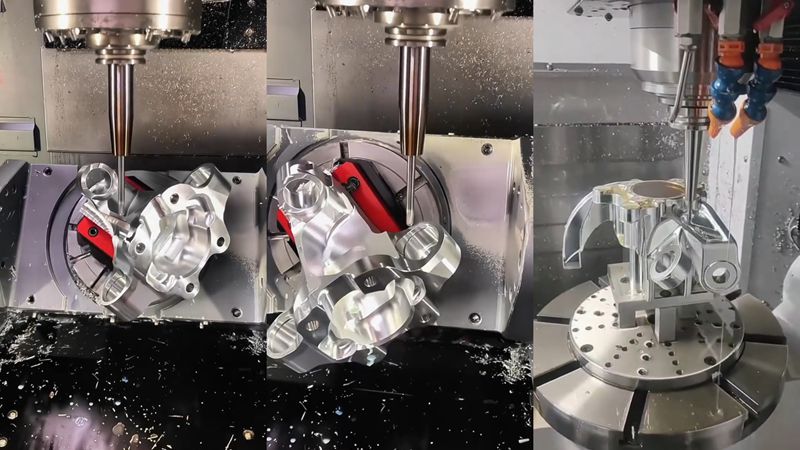
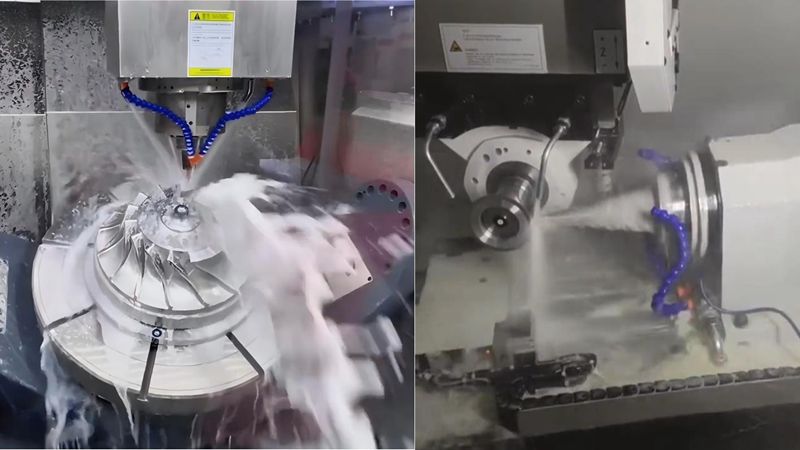
图 1: GPT 精密的先进五轴 CNC 加工中心加工复杂铝零件.
铝是现代制造中最广泛使用的工程金属之一. 其优异的强度重量比, 抗腐蚀性, 可加工性, and versatility make it a preferred material across industries such as aerospace, 汽车, marine, 电子, medical devices, 和工业设备.
To meet different performance requirements, pure aluminum is combined with alloying elements such as copper, magnesium, zinc, silicon, manganese, and chromium. These additions significantly enhance mechanical properties, allowing manufacturers to select the most suitable aluminum grade for each application.
How Aluminum Alloys Are Classified
The aluminum industry uses a four-digit numbering system to identify alloy families. 第一个数字表示主要合金元素,并决定材料的一般特性.
2xxx 系列 – 基于铜
铜是主要合金元素. 这些合金提供优异的强度和抗疲劳性能,并可通过热处理增强.
典型应用: 飞机结构, 航空航天部件, 液压汇管.
代表性: 2024 铝
5xxx 系列 – 基于镁
使用镁, 提供优异的耐腐蚀性, 尤其是在海洋环境中.
典型应用: 造船, 海洋设备, 压力容器.
代表性: 5083 铝
6xxx 系列 – 镁 & 硅
将镁和硅结合,创造出兼顾强度, 抗腐蚀性, 和可加工性的多功能合金.
典型应用: 建筑结构, 汽车部件, 船舶框架.
代表性: 6061 铝
7xxx 系列 – 基于锌
利用锌提供铝材料中一些最高的强度水平.
典型应用: 航空航天结构, 防御组件, 高应力齿轮.
代表性: 7050, 7075 铝
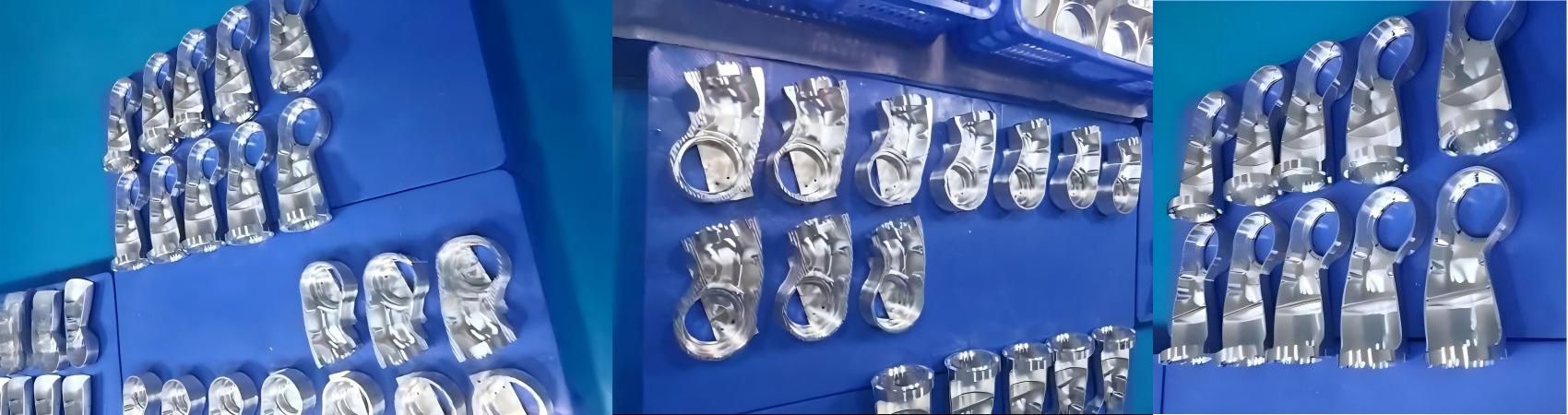
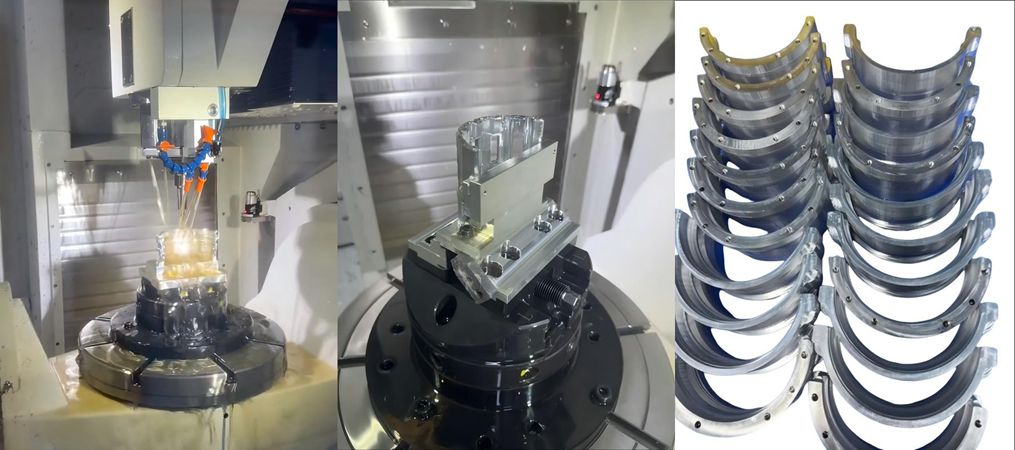
图 2: 准备检查的高精度复杂CNC铣削铝组件.
一览热门铝合金
在众多可用材料中, 全球制造商和开发下一代技术的机械加工厂经常要求特定合金. 下表概述了最受欢迎的铝等级的核心特性和应用:
| 铝合金 | 显著的化学成分 (最大值 %) | 核心特性 & 特点 | 理想的制造应用 |
|---|---|---|---|
| 2024 | 铜 (4.9%), 镁 (1.8%), 锰 (0.9%) | 极高的强度和出色的循环疲劳抵抗能力. 良好的可加工性, 但耐腐蚀性较低. 难以焊接. | 航空航天结构 (机翼, 机身) 承受循环应力的部位, 液压汇管, 计算机组件. |
| 6061 | 镁 (1.2%), 硅 (0.8%), 铜 (0.4%) | 被称为 "结构用铝" 高度耐腐蚀, 应力, 以及开裂. 中等疲劳强度但出色的焊接性能. | 海洋和电气配件, 阀门, 液压活塞, 结构应用, 以及户外基础设施. |
| 7050 | 锌 (6.7%), 铜 (2.6%), 镁 (2.6%) | 异常高的强度和高疲劳抵抗. 比……更能抵抗应力腐蚀开裂 7075. 不适合焊接. | 强度至关重要的厚板应用: 航空航天结构, 汽车, 以及防务部件. |
| 7075 | 锌 (6.2%), 镁 (2.5%), 铜 (2.3%) | 可用的最强铝合金之一. 适用于承受高应力和引起疲劳的重磨损环境. | 需要极高强度重量比的行业: 航空航天, 国防, 轴, 和重型齿轮. |
常见铝合金比较
| 合金 | 强度 | 耐腐蚀性 | 可加工性 | 可焊性 | 典型行业 |
|---|---|---|---|---|---|
| 2024 | ★★★★☆ | ★★☆☆☆ | ★★★★☆ | ★★☆☆☆ | 航空航天 |
| 5083 | ★★★☆☆ | ★★★★★ | ★★★☆☆ | ★★★★★ | 海洋 |
| 6061 | ★★★☆☆ | ★★★★☆ | ★★★★☆ | ★★★★☆ | 通用工程 |
| 7050 | ★★★★★ | ★★★☆☆ | ★★★★☆ | ★☆☆☆☆ | 航空航天 |
| 7075 | ★★★★★ | ★★★☆☆ | ★★★★☆ | ★☆☆☆☆ | 航空航天 & Defense |
Why Choose GPT Precision for Aluminum CNC Machining?
在 GPT 精密公司, Ltd, we specialize in high-precision CNC milling and aluminum component manufacturing.
Our Capabilities
- ✓ Dozens of advanced CNC machining centers
- ✓ 3-axis, 4-轴, and 5-axis machining
- ✓ Complex multi-face machining in a single setup
- ✓ Tolerances as tight as ±0.001 mm
- ✓ Prototype to mass production services
- ✓ Engineering support from concept to product
Industries We Serve
- 航空航天
- 汽车
- 电子产品
- 医疗设备
- Industrial Eq.
- Food Processing
Whether you have a complete CAD model or just an initial concept, our engineering team can help transform your ideas into precision-manufactured components with exceptional quality, accuracy, and reliability.
也许你也喜欢
» 各种制造用铝合金
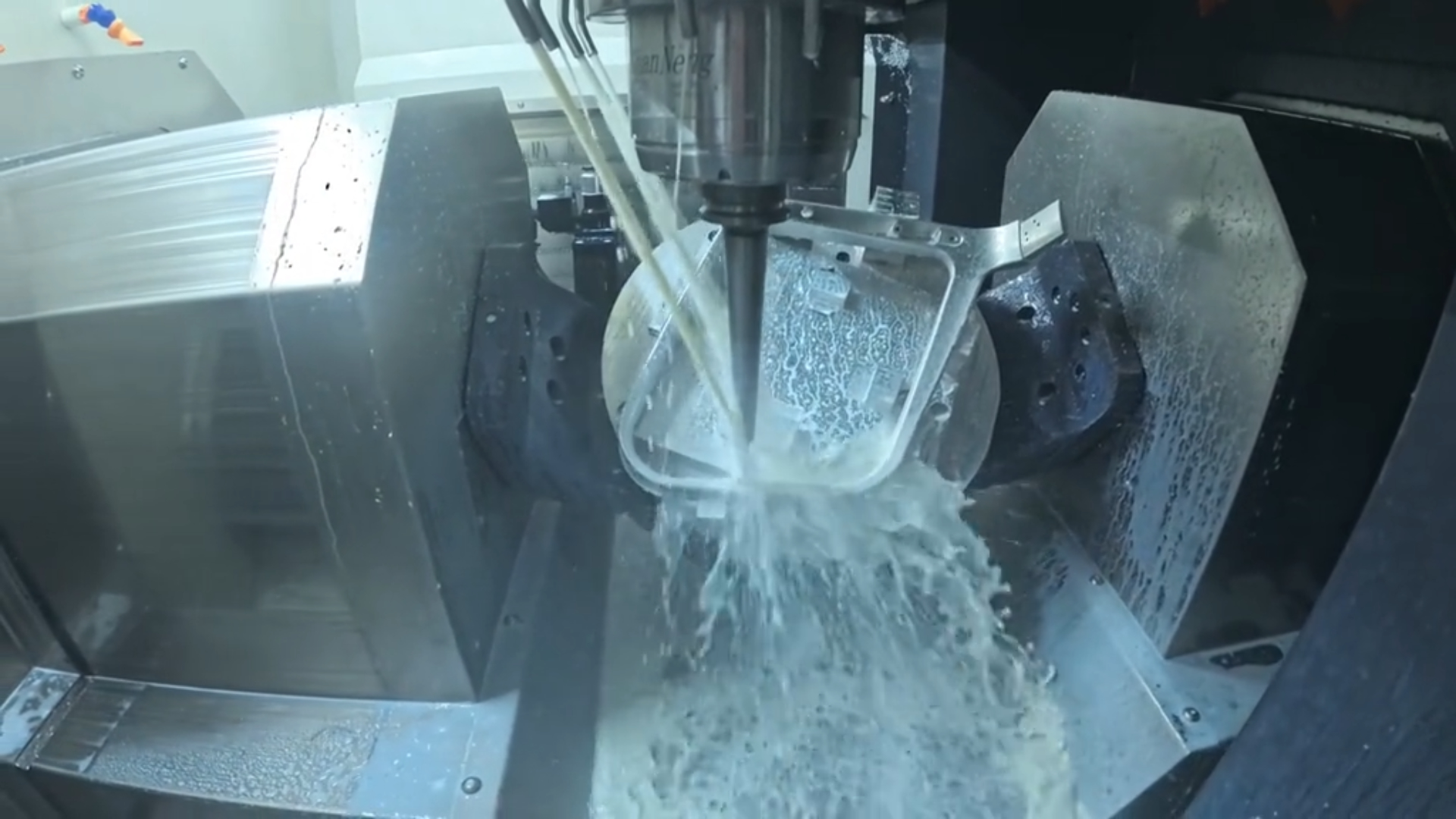 三轴终极指南, 4-轴, 五轴数控加工
 数控加工中的常见问题及解决方案
 数控铣削与数控车削——区别
 各种制造用铝合金
 数控原型成本驱动因素
服务