中国精密工具公司
翻译



数控铣削与数控车削——区别
12 月 23, 2016
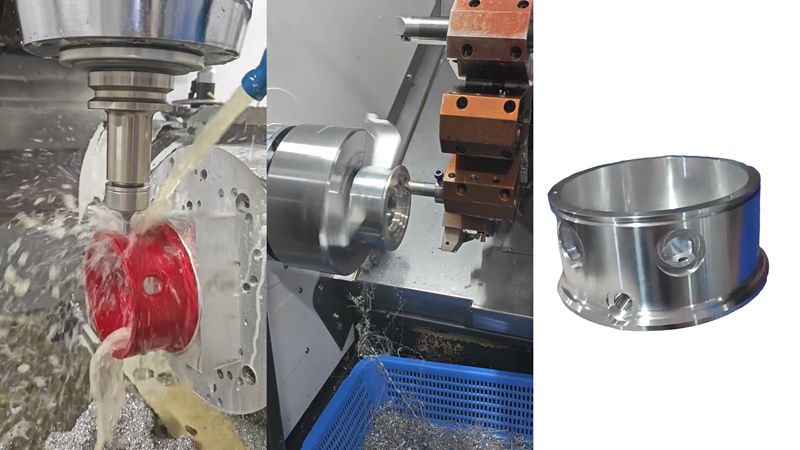
图 1: 先进 CNC 铣削与高精度 CNC 车削的并排展示.
CNC 铣削 vs. CNC车削: 理解关键区别
在深入探讨 CNC 铣削与 CNC 车削的具体区别之前, 了解 CNC 的核心机制至关重要 (计算机数控) 加工. CNC 机器通过自动化工艺生成高精度成品, 执行预编程软件生成的精确指令.
自从 2006, 我们在 GPT Precision 的先进设备已掌握这两项基础技术. 虽然它们通常被归入 "CNC 加工," milling and turning operate on fundamentally different mechanical principles. Here is a definitive guide to how they work and which process is right for your next demanding project in Aerospace, Medical, or Semiconductors.
What is CNC Milling?
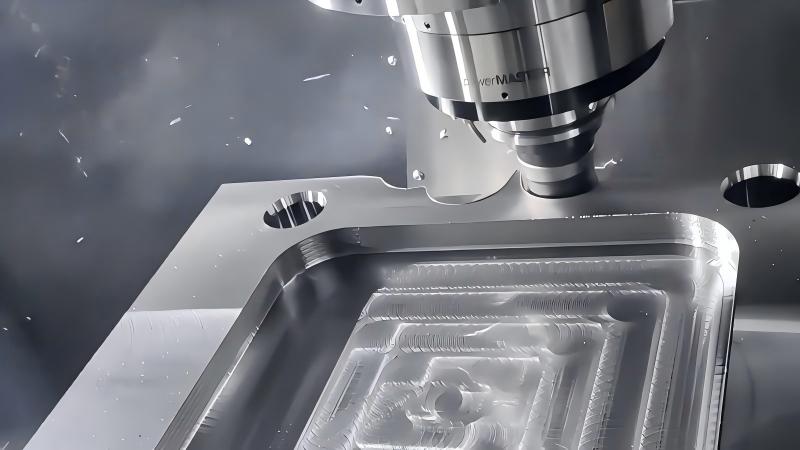
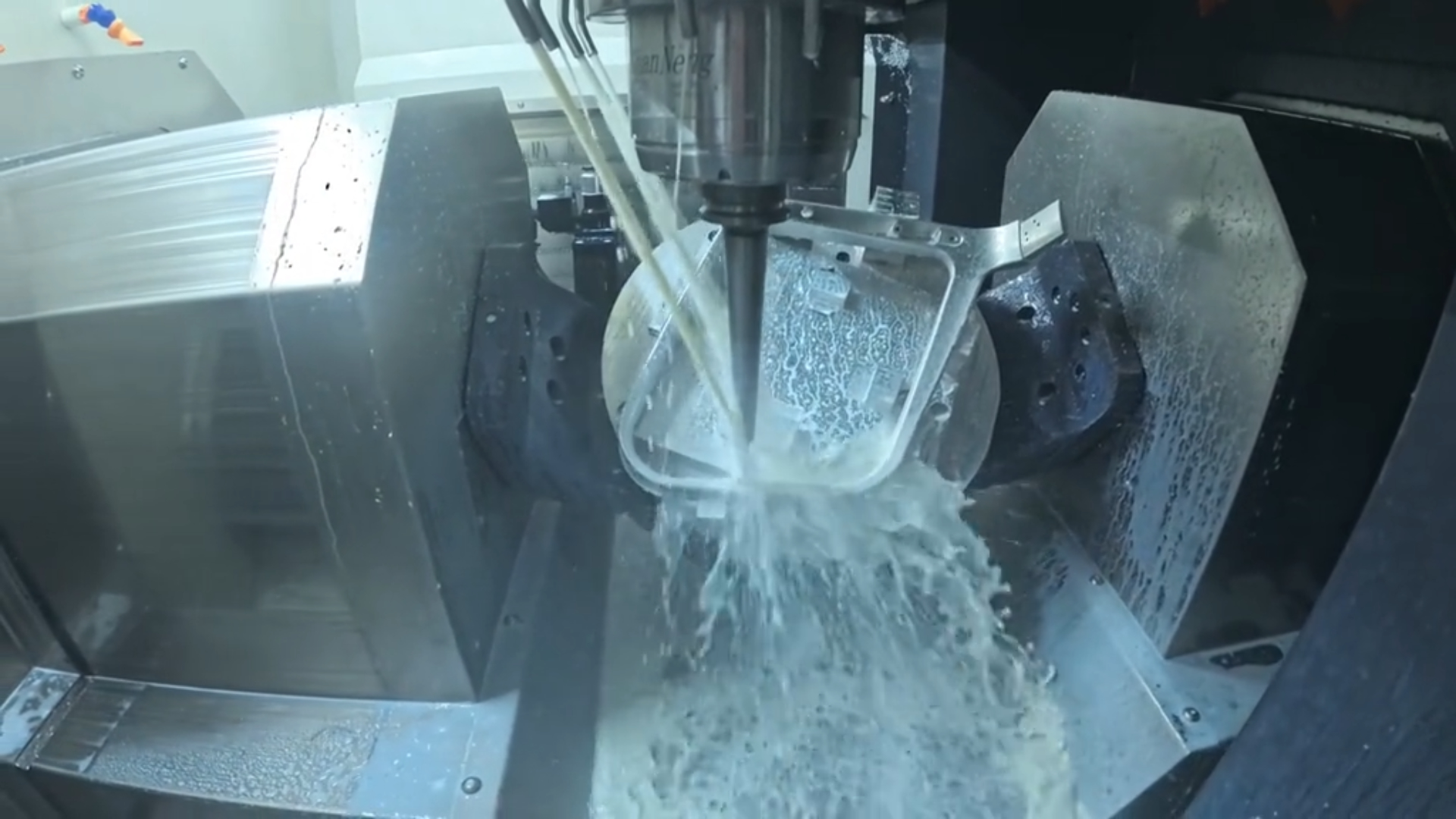
图 2: A rotating end mill removing material from a fixed workpiece.
In simple terms, CNC milling involves a rotating cutting tool operating against a stationary workpiece. The material is held firmly in place by a fixture while the spinning tool travels across it to remove material and carve out the desired geometry.
Traditional 3-axis CNC milling machines allow the cutting tool to move in 3 directions (X, Y, and Z axes). While this sets a few limits on the geometry of the parts, 它在制造块状或棱柱形零件方面效率极高. 各种铣削刀具可以提供不同的切削方式,如端铣, 面铣, 和空心铣.
先进的五轴铣削
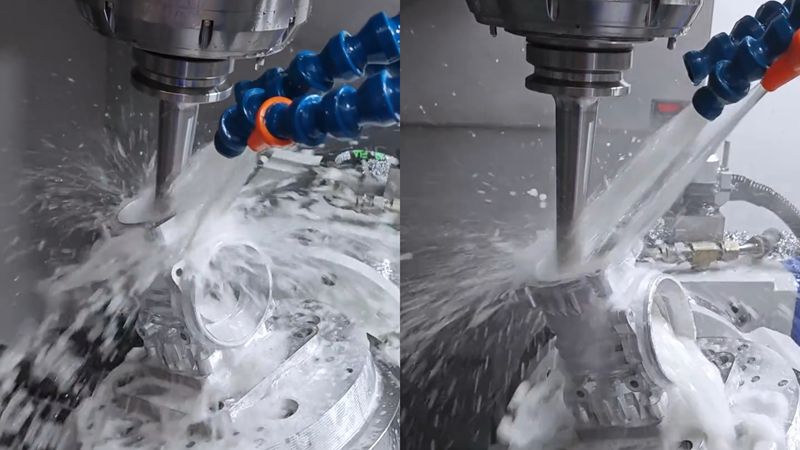
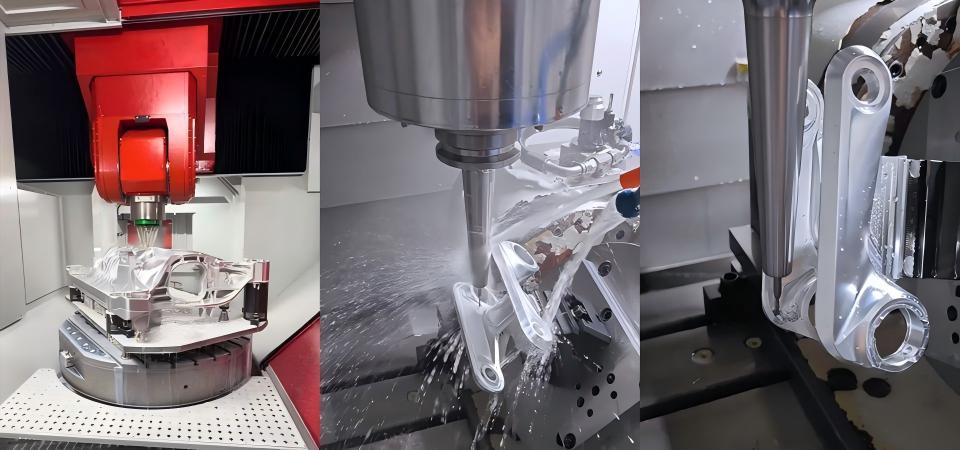
图 3: 复杂航空零件的同步五轴多方向铣削.
多轴铣削引入了旋转运动 (通常为刀具和工作台的旋转) 相对于标准的X轴, Y, and Z axes. 这种额外的灵活性维度允许加工高度复杂的三维形状,具有极高的公差和优越的表面光洁度. 通过五轴铣削, 几乎所有零件面的精密加工都可以在一次装夹中完成.
什么是数控车削?
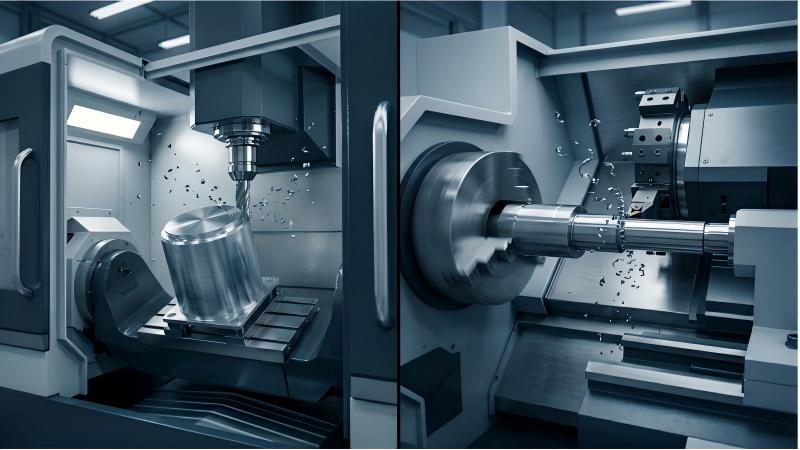
图 4: 一个固定的单点刀具从高速旋转的圆柱体上刮削材料.
相反, CNC车削是一种工艺,加工件本身以高速旋转,而固定的切削工具去除材料. 单点切削工具沿旋转零件线性移动, 不断地刮掉材料层,直到获得所需的精确形状.
CNC车削可以有效地生产轴对称形状,如圆锥体, 圆柱体, 圆盘, 以及螺纹管. 通过结合锥形车削, 外圆开槽, 螺纹加工, 滚花, 镗孔, 和钻孔等操作, CNC车削在各个行业中得到广泛应用——从制造简单高强度螺栓到生产关键的航空航天和汽车零部件.
核心差异一览
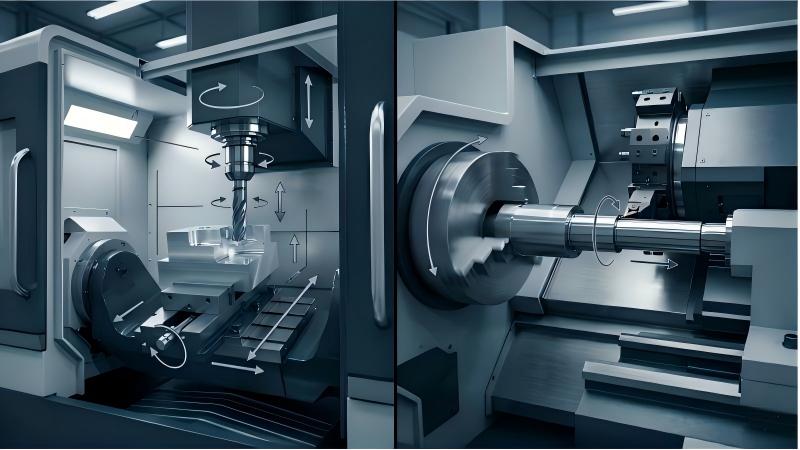
图 5: Motion direction comparison between Milling (Left) and Turning (Right).
Put simply, the main difference boils down to what moves: the machine's tool or the raw material. Below is a detailed breakdown of their operational features:
CNC铣削
- 功能: Tool rotates; workpiece is stationary.
- Tool Features: Uses multi-point cutting tools (例如, end mills, reamers) with more than two cutting edges.
- Cutting Process: The tool frequently engages and disengages from the workpiece (intermittent cutting).
- Parts Manufactured: Geometrically complex parts, blocky shapes, and intricate 3D contours.
CNC车削
- 功能: Workpiece rotates; tool is stationary.
- Tool Features: Uses single-point cutting tools (like fly cutters or inserts) where only one point contacts the material.
- Cutting Process: The tool is in continuous contact with the material (continuous cutting).
- Parts Manufactured: Conical, cylindrical, and axially symmetric parts like ball bearings and tubes.
High-Precision Industry Applications
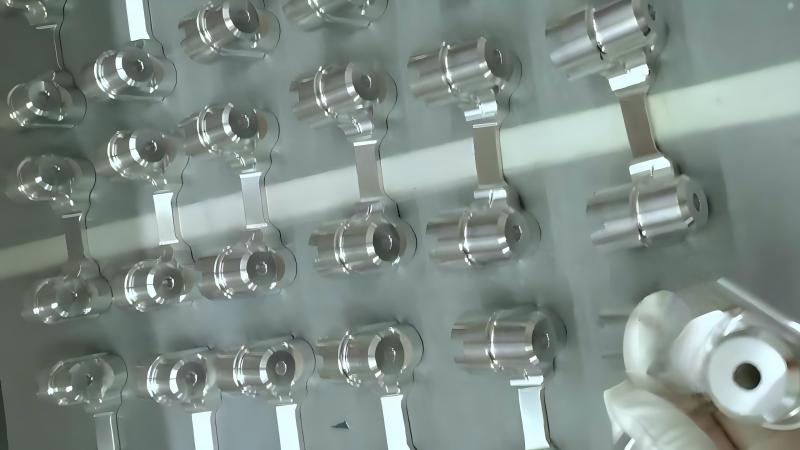
复杂铣削零件
铣削可以产生各种形状. 它是制造医疗植入物所需高度复杂结构的首选方法, 卫星组件, 以及坚固的航空航天支架.
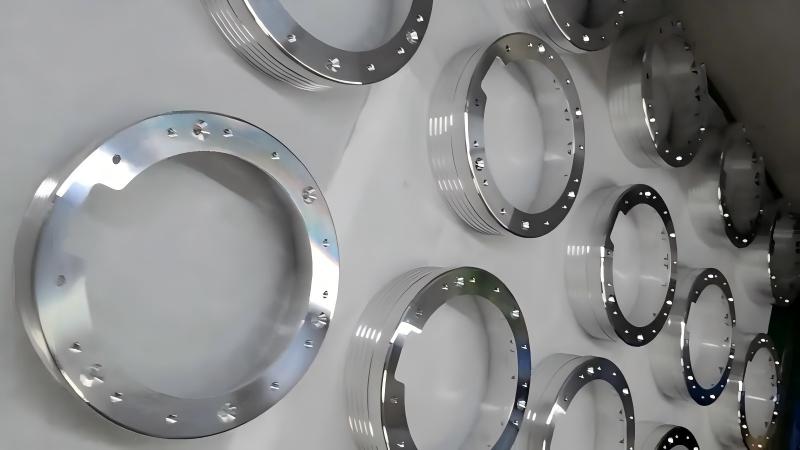
轴对称车削零件
如果你的零件是轴对称的, 数控车削无可匹敌. 车床可以有效制造液压配件, 带螺纹的圆柱体, 以及半导体轴承壳体等零件,达到精确尺寸公差.
你应该使用车削还是铣削?
哪种方法更适合你的项目? 一般来说, 数控铣削非常适合生产复杂几何形状的零件, 而数控车削更适合简单的, 圆形的, 轴对称的形状.
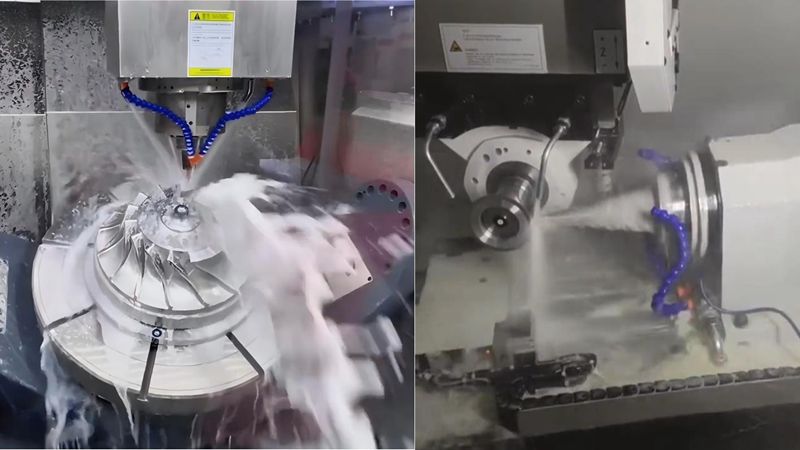
图 6: Advanced precision components often require a combination of both turning and milling processes.
然而, keep in mind that you can use these two processes sequentially. In modern manufacturing, there are many situations where a component requires both operational processes to achieve the final design—complementing each other beautifully to produce parts with ultra-high precision.
Ready to Optimize Your Advanced Designs?
Whether your critical parts require high-speed CNC turning, multi-axis milling, or an integrated machining solution in materials like Titanium, Inconel, or SS316L, the engineering team at GPT Precision is ready to help.
Upload Your CAD File for a Free Quote Today
Fast Lead Times • ISO Certified Precision • Integrated Machining Solutions
也许你也喜欢
» 各种制造用铝合金
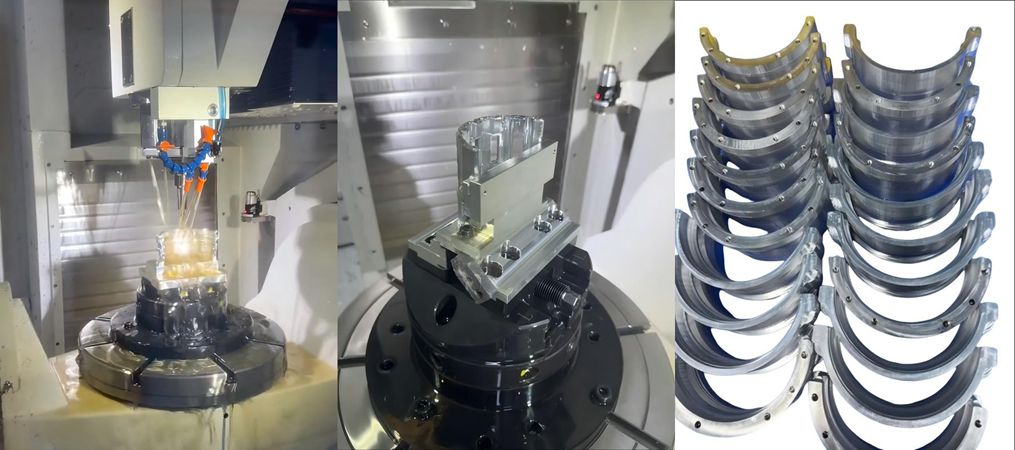
 三轴终极指南, 4-轴, 五轴数控加工
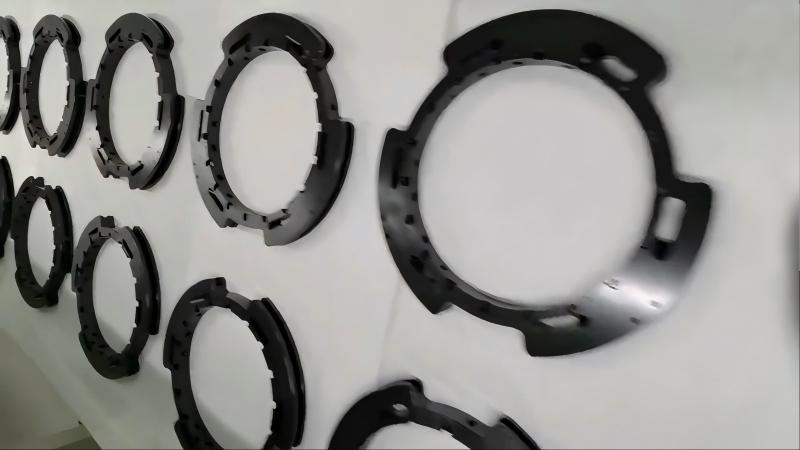 数控加工中的常见问题及解决方案
 各种制造用铝合金
 数控原型成本驱动因素
服务