Empresa China de Herramientas de Precisión
Traducción



- Llámanos al
+86 755 2308 9686 - Envíenos un correo electrónico
sales@precisiontoolingchina.com - Whatsapp
+86 13530516428
» Estudios de Caso » Fresado CNC vs Torneado CNC - Las Diferencias
Fresado CNC vs torneado CNC - Las diferencias
diciembre 23, 2016
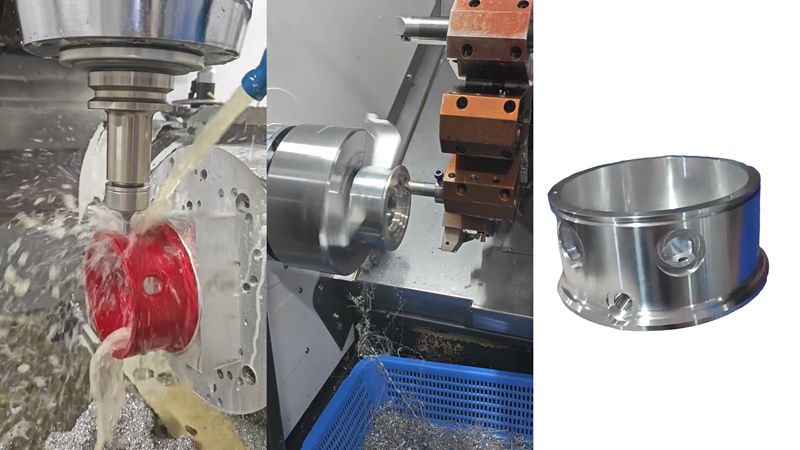
Fig 1: Una exhibición comparativa de Fresado CNC avanzado y Torneado CNC de alta precisión.
Fresado CNC vs. Torneado CNC: Comprendiendo las Diferencias Clave
Antes de profundizar en las diferencias exactas entre fresado CNC y torneado CNC, es esencial comprender el mecanismo central del CNC (Control Numérico por Computadora) mecanizado. Una máquina CNC produce productos terminados de alta precisión mediante procesos automatizados, ejecutando comandos exactos generados por software preprogramado.
Desde 2006, nuestra instalación de vanguardia en GPT Precision ha dominado ambas tecnologías fundamentales. Aunque a menudo se agrupan bajo el término general de "mecanizado CNC," el fresado y el torneado operan con principios mecánicos fundamentalmente diferentes. Aquí hay una guía definitiva de cómo funcionan y qué proceso es adecuado para su próximo proyecto exigente en Aeroespacial, Medicina, o Semiconductores.
Qué es el Fresado CNC?
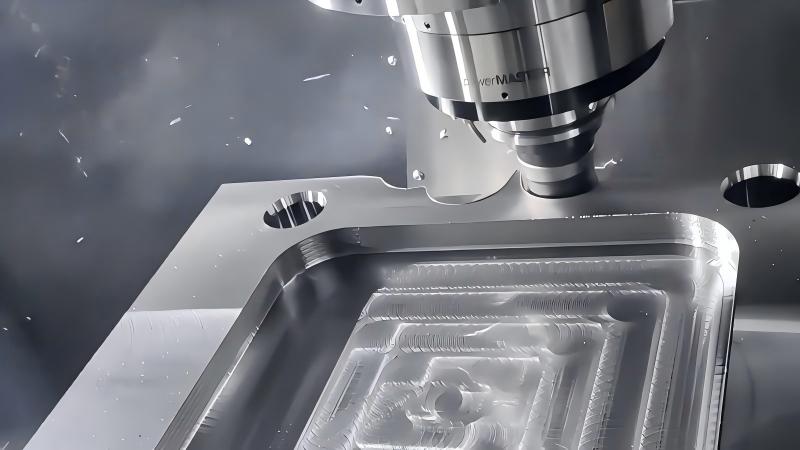
Fig 2: Una fresa giratoria removiendo material de una pieza de trabajo fija.
En términos simples, El fresado CNC implica una herramienta de corte giratoria operando contra una pieza de trabajo estacionaria. El material se mantiene firmemente en su lugar mediante un dispositivo mientras la herramienta giratoria se mueve sobre él para remover material y esculpir la geometría deseada.
Las máquinas de fresado CNC tradicionales de 3 ejes permiten que la herramienta de corte se mueva en 3 direcciones (X, Y, y Z). Aunque esto establece algunos límites en la geometría de las piezas, es altamente eficiente para fabricar componentes prismáticos o en bloque. Una amplia gama de herramientas de fresado puede proporcionar diferentes métodos de corte como fresado de extremo, fresado frontal, y fresado hueco.
Fresado Avanzado de 5 Ejes
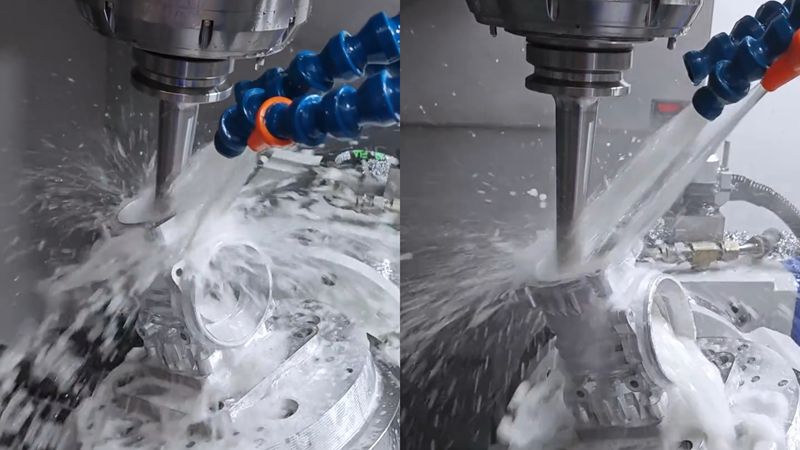
Fig 3: Fresado multi-direccional simultáneo de 5 ejes para componentes aeroespaciales complejos.
El fresado multiejes introduce movimiento rotatorio (típicamente la rotación de herramientas y mesas de trabajo) en la X estándar, Y, y Z. Esta dimensión extra de flexibilidad permite el mecanizado de formas 3D altamente complejas con tolerancias excepcionalmente estrictas y acabados superficiales superiores. Con fresado de 5 ejes, el mecanizado de precisión es posible para casi todos los lados de la pieza en un solo montaje.
¿Qué es el torneado CNC??
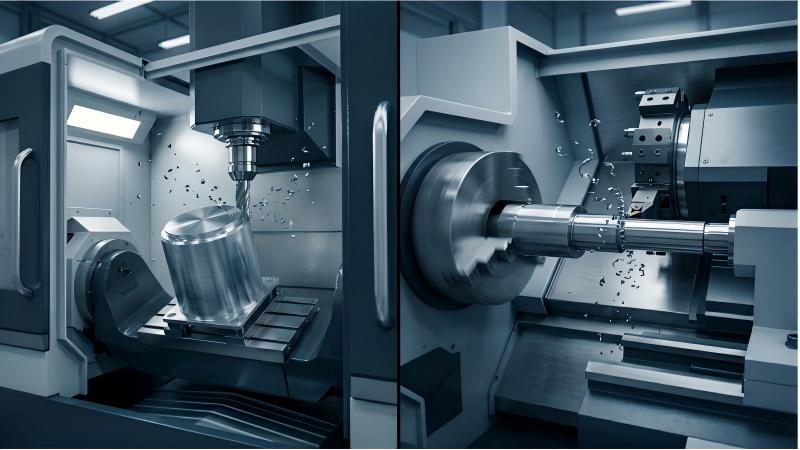
Fig 4: Una herramienta fija de un solo punto para amontañar material de un cilindro giratorio de alta velocidad.
Por el contrario, El torneado CNC es un proceso en el que la pieza gira a altas velocidades mientras que una herramienta de corte estacionaria elimina el material. La herramienta de corte de punto único se mueve linealmente a lo largo de la pieza giratoria, cortando continuamente capas hasta lograr la forma precisa deseada.
El torneado CNC puede producir eficazmente formas simétricas axiales como conos, cilindros, discos, y tubos roscados. Al combinar operaciones como el torneado cónico, ranurado externo, roscado, moleteado, mandrinado, y taladrado, El torneado CNC se utiliza ampliamente en diversas industrias—desde la fabricación de tornillos simples de alta resistencia hasta la producción de componentes críticos para la industria aeroespacial y automotriz.
Las diferencias clave de un vistazo
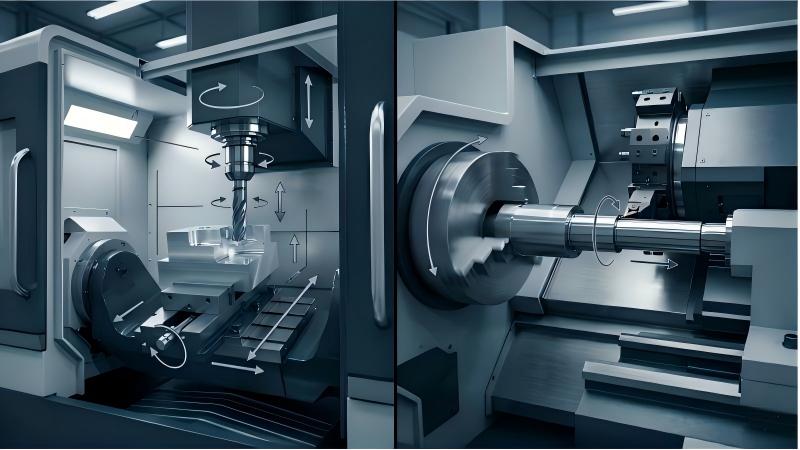
Fig 5: Comparación de la dirección del movimiento entre fresado (izquierda) y torneado (derecha).
En pocas palabras, la principal diferencia se reduce a qué se mueve: la herramienta de la máquina o la materia prima. A continuación se presenta un desglose detallado de sus características operativas:
Fresado CNC
- Función: La herramienta gira; la pieza de trabajo está estacionaria.
- Características de la herramienta: Utiliza herramientas de corte de múltiples puntos (por ejemplo, fresas, escariadores) con más de dos filos de corte.
- Proceso de corte: La herramienta se acopla y desacopla frecuentemente de la pieza de trabajo (corte intermitente).
- Piezas fabricadas: Piezas geométricamente complejas, formas en bloque, y contornos 3D intrincados.
Torneado CNC
- Función: La pieza de trabajo gira; la herramienta está estacionaria.
- Características de la herramienta: Usa herramientas de corte de un solo punto (como cortadores de disco o insertos) donde solo un punto entra en contacto con el material.
- Proceso de corte: La herramienta está en contacto continuo con el material (corte continuo).
- Piezas fabricadas: Cónico, cilíndrico, y piezas simétricas axiales como rodamientos y tubos.
Aplicaciones industriales de alta precisión
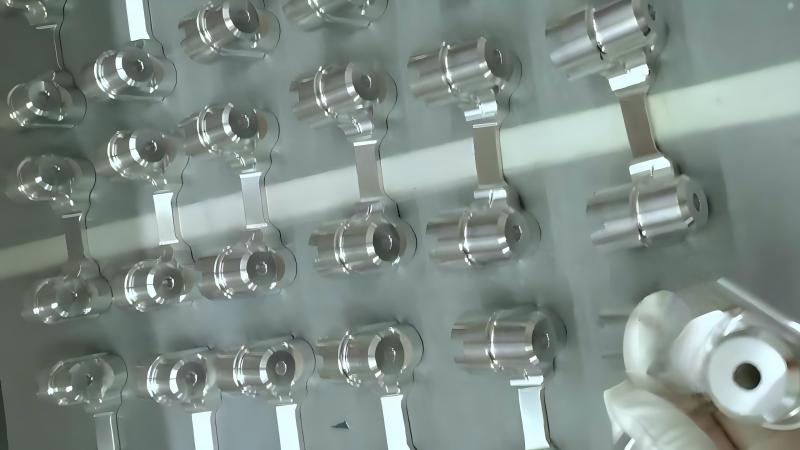
Componentes complejos fresados
El fresado produce una variedad interminable de formas. Es el método preferido para fabricar estructuras altamente complejas requeridas en implantes médicos, componentes de satélites, y robustos soportes aeroespaciales.
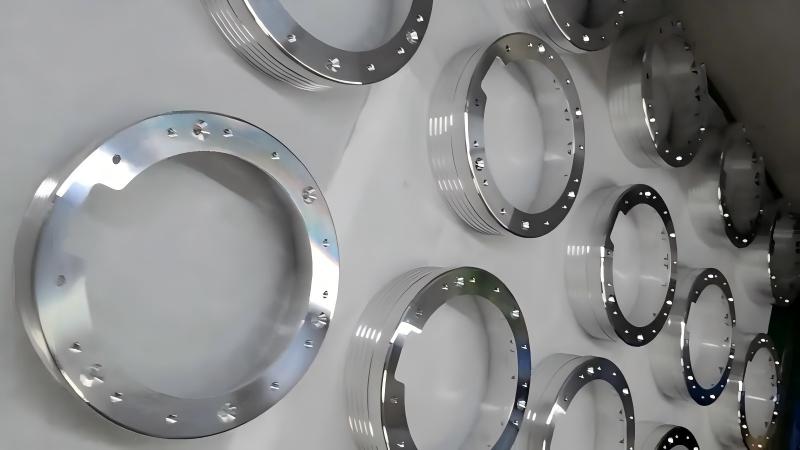
Piezas torneadas simétricas axiales
Si su pieza es axialmente simétrica, El torneado CNC es insuperable. Un torno fabrica eficazmente piezas como conexiones hidráulicas, cilindros roscados, y carcazas de rodamientos de semiconductores con tolerancias dimensionales precisas.
¿Debería usar torneado o fresado??
¿Cuál es mejor para su proyecto?? Como regla general, El fresado CNC se recomienda encarecidamente para producir piezas con geometrías complejas, mientras que el torneado CNC es superior para formas más simples, redondas, y axialmente simétricas.
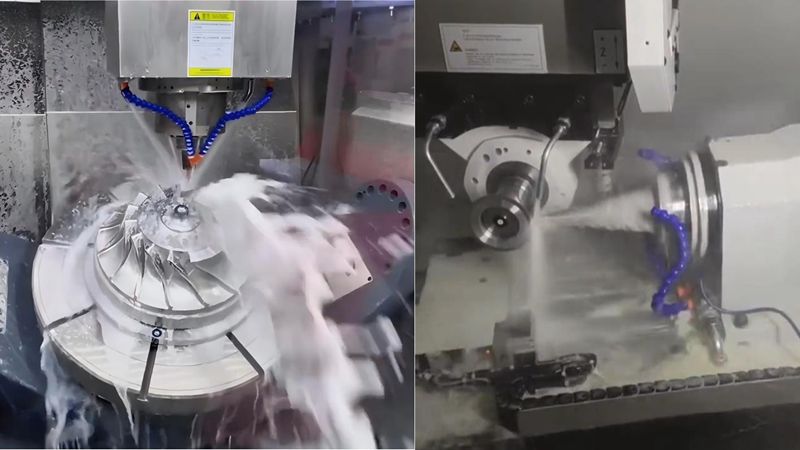
Fig 6: Los componentes de precisión avanzados a menudo requieren una combinación de procesos de torneado y fresado.
Sin embargo, tenga en cuenta que puede usar estos dos procesos de manera secuencial. En la fabricación moderna, hay muchas situaciones en las que un componente requiere ambos procesos operativos para alcanzar el diseño final—complementándose entre sí de manera excelente para producir piezas con ultra-alta precisión.
Listo para Optimizar Sus Diseños Avanzados?
Ya sea que sus piezas críticas requieran torneado CNC de alta velocidad, fresado multieje, o una solución de mecanizado integrada en materiales como Titanio, Inconel, o SS316L, el equipo de ingeniería en GPT Precision está listo para ayudar.
Suba Su Archivo CAD para un Presupuesto Gratis Hoy
Tiempos de Entrega Rápidos • Precisión Certificada ISO • Soluciones Integradas de Mecanizado
Quizás también le guste
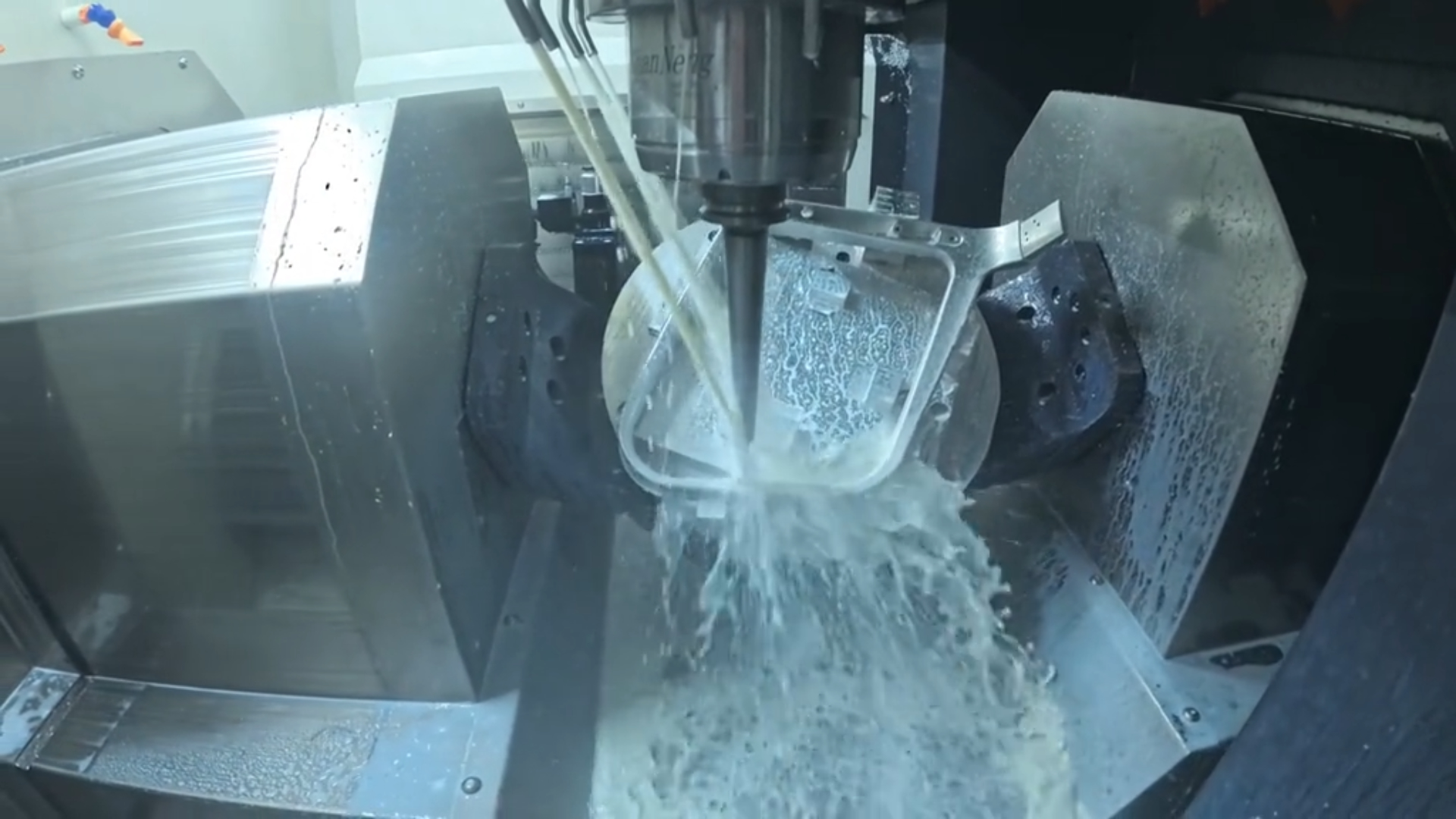 La Guía Definitiva de Maquinado CNC de 3 Ejes, 4-Eje, y de 5 Ejes
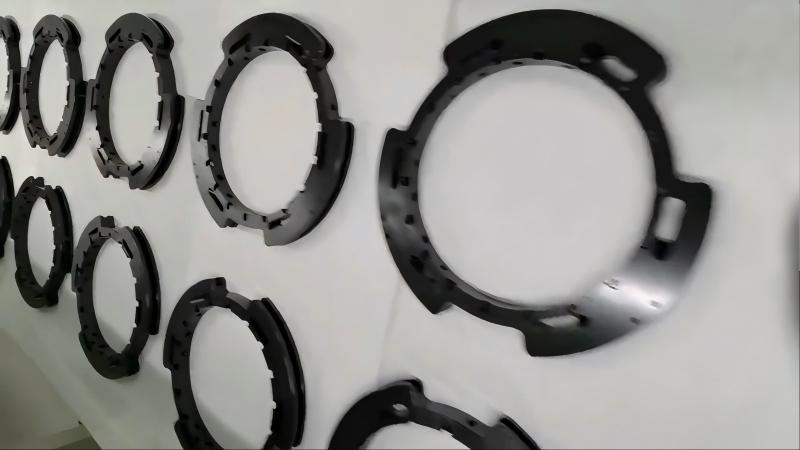 Problemas comunes y soluciones en mecanizado CNC
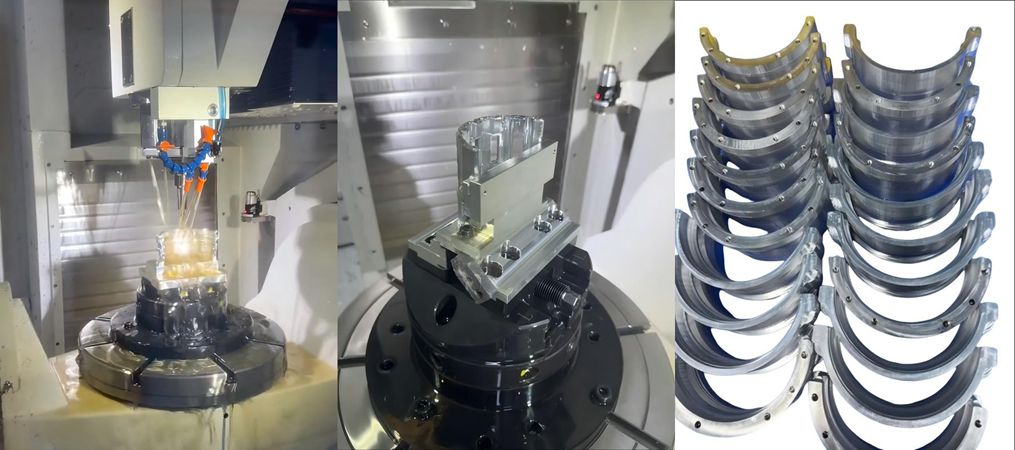 Diversas aleaciones de aluminio para fabricación
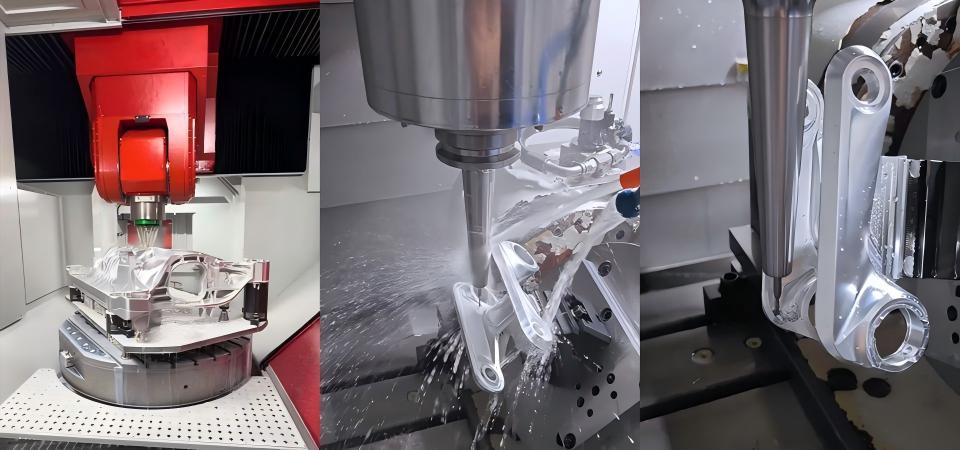 Factores de coste del prototipado CNC
Servicio