Single-Cavity Mold
One component per cycle.


注塑 / Tooling Selection
One part in multiple cavities, or different parts in one mold?
Compare mold arrangements based on part geometry, material compatibility, production quantities and the required mix of components.
GPT Precision coordinates injection-molded parts and tooling enquiries with manufacturing partners. Share your part models, material specifications and expected quantities to review the appropriate tooling and supply scope.
The number and type of parts produced in each molding cycle influence tooling design, production planning and overall project cost.
One component per cycle.
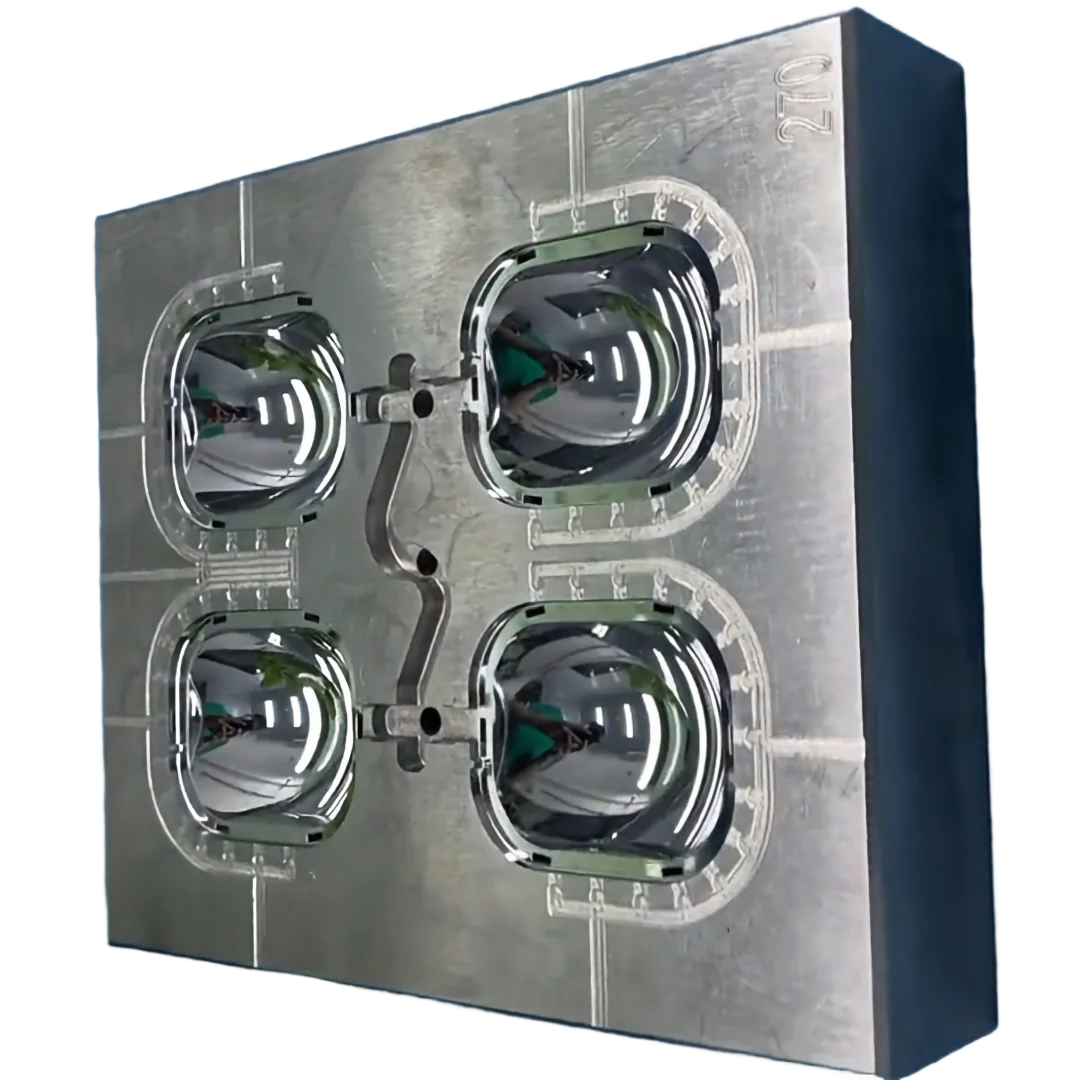
Multiple copies of one component.
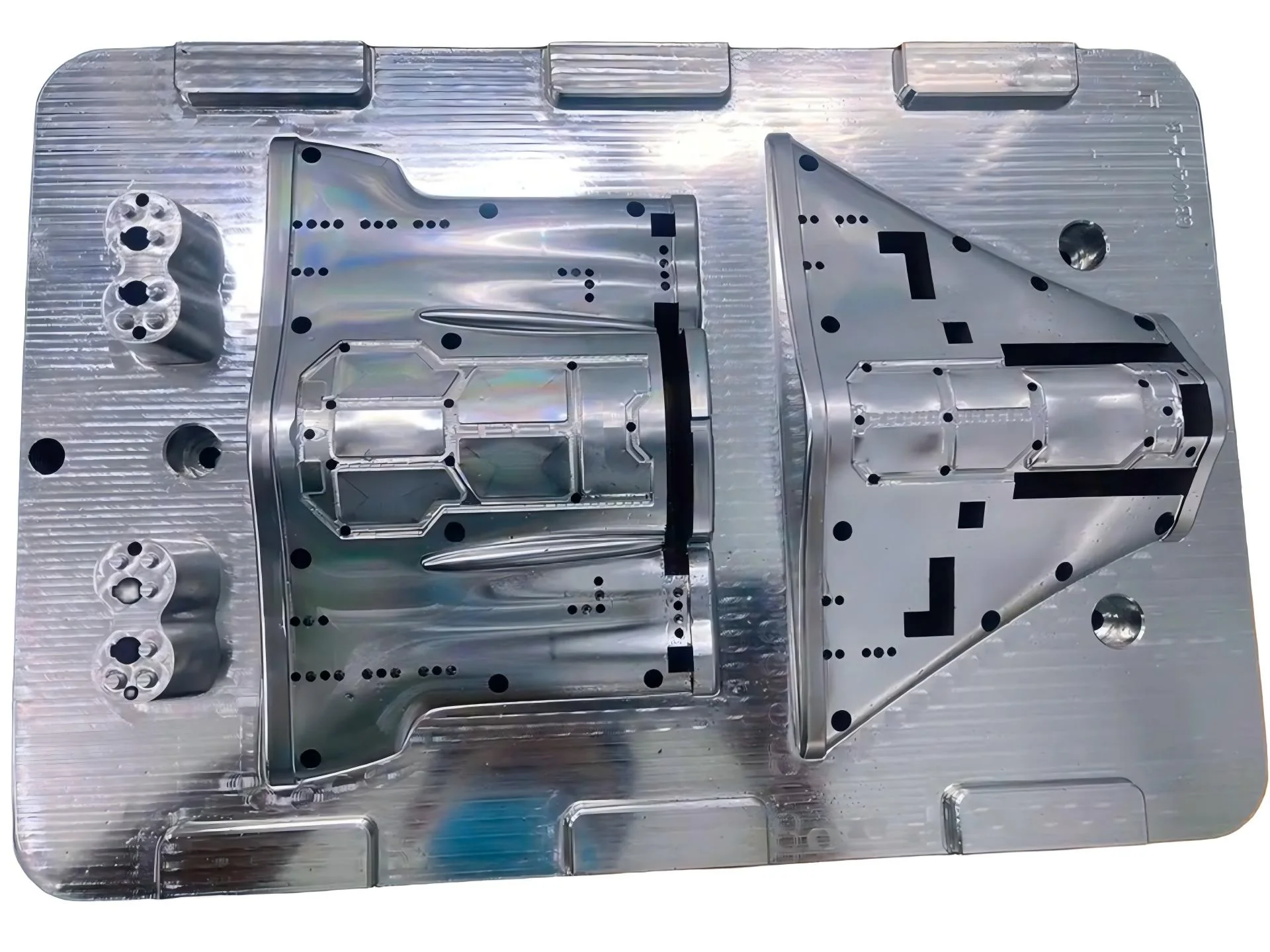
Different, related components.
A single-cavity mold produces one part per cycle. An identical-part multi-cavity mold produces multiple copies of the same component. A family mold produces different, related components in a shared tool.
The appropriate arrangement depends on more than cavity count. Consider the required part quantities, material and processing requirements, tooling investment and production flexibility.
An identical-part multi-cavity mold produces several copies of the same component in each molding cycle.
This arrangement may be suitable when repeat demand supports the investment in additional cavities and the production process can maintain acceptable consistency across them.
Increasing cavity count does not automatically produce the lowest overall cost. The proposed arrangement should be evaluated against the project's expected demand and manufacturing requirements.
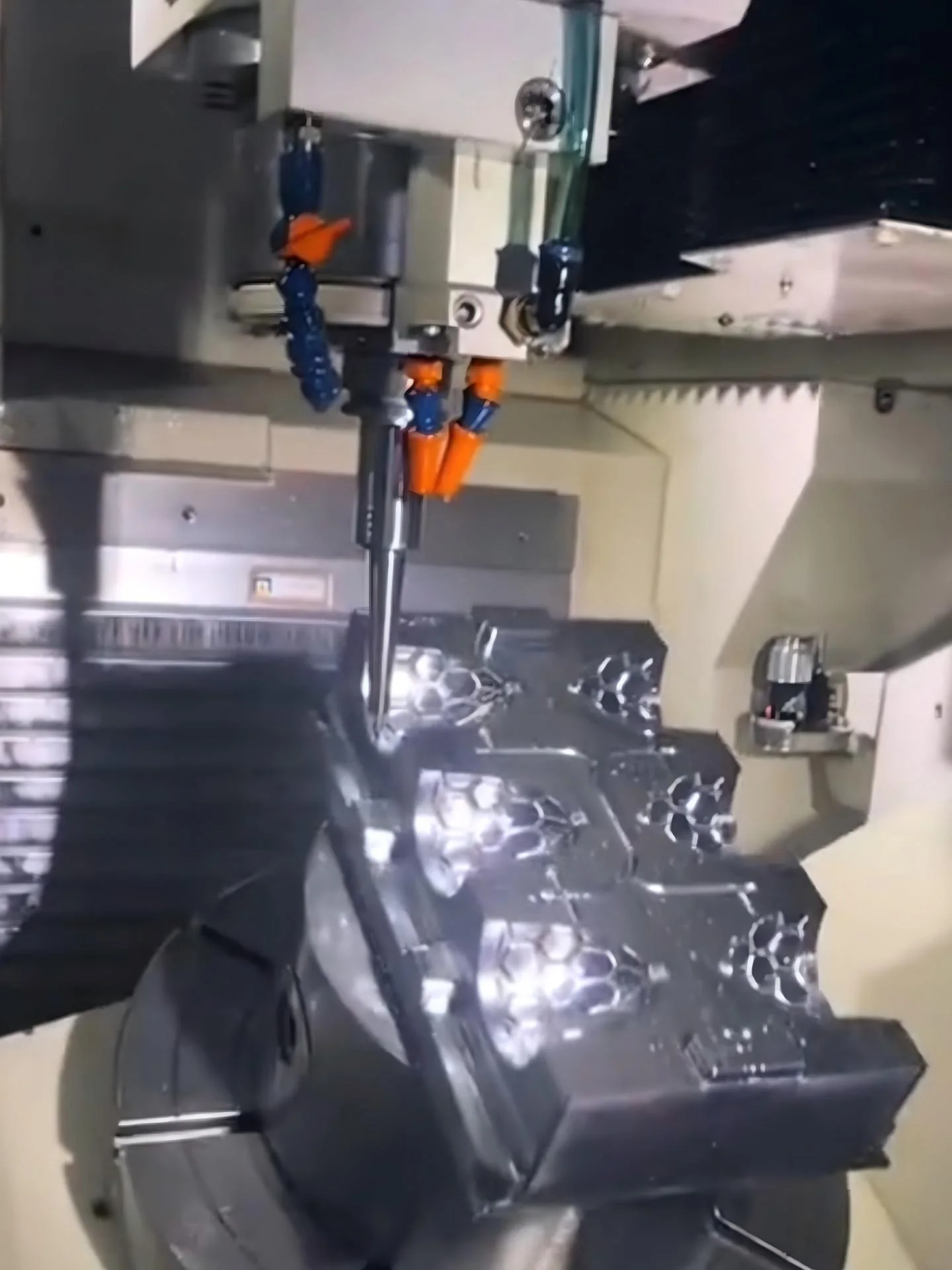
A family mold produces different but related components in the same molding cycle. Examples may include matched housing components or parts required for one assembly.
Combining different components in one tool can reduce the number of separate tools required, but the arrangement must support the parts' manufacturing requirements.
A family mold should be evaluated against the required part mix, not simply the number of different components that can fit into one tool.
当某个组件具有足够的重复需求以证明每批生产多个副本时,考虑使用相同零件的多腔模具.
当相关组件具有兼容的加工要求且生产数量可以有效地一起供应时,考虑使用组合模具.
当组件需要不同材料时,单独模具可能更合适, 实质性不同的加工条件或独立的生产计划.
最终模具选择取决于已审核的零件设计, materials, 数量和制造要求.
提供以下信息以帮助确定模具和供应范围:
GPT Precision可以与制造合作伙伴一起评审询价,以讨论适当的模具布局和项目要求.