Single-Cavity Mold
One component per cycle.



Moldeo por inyección / Tooling Selection
One part in multiple cavities, or different parts in one mold?
Compare mold arrangements based on part geometry, material compatibility, production quantities and the required mix of components.
GPT Precision coordinates injection-molded parts and tooling enquiries with manufacturing partners. Share your part models, material specifications and expected quantities to review the appropriate tooling and supply scope.
The number and type of parts produced in each molding cycle influence tooling design, production planning and overall project cost.
One component per cycle.
Multiple copies of one component.
Different, related components.
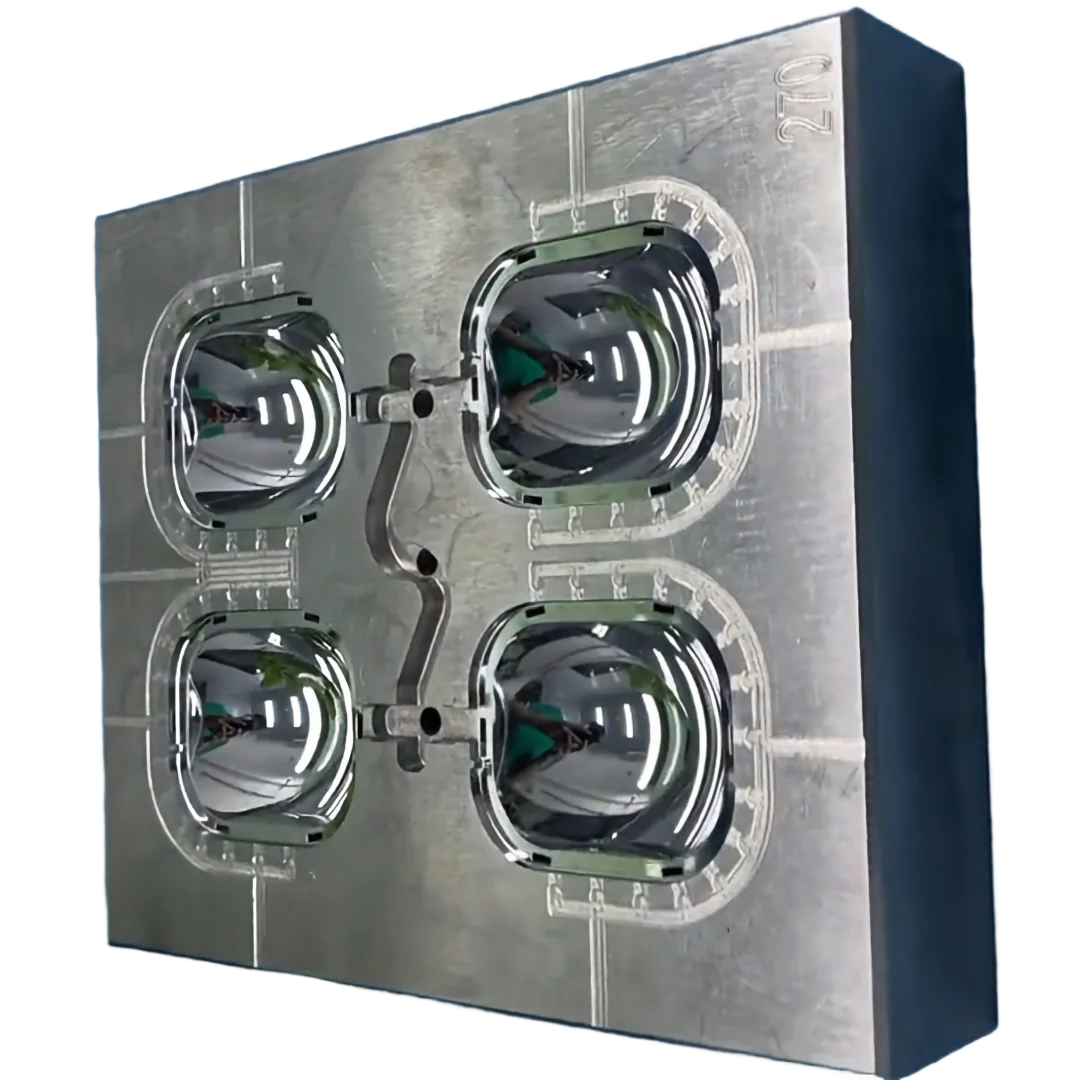
A single-cavity mold produces one part per cycle. An identical-part multi-cavity mold produces multiple copies of the same component. A family mold produces different, related components in a shared tool.
The appropriate arrangement depends on more than cavity count. Consider the required part quantities, material and processing requirements, tooling investment and production flexibility.
An identical-part multi-cavity mold produces several copies of the same component in each molding cycle.
This arrangement may be suitable when repeat demand supports the investment in additional cavities and the production process can maintain acceptable consistency across them.
Increasing cavity count does not automatically produce the lowest overall cost. The proposed arrangement should be evaluated against the project's expected demand and manufacturing requirements.
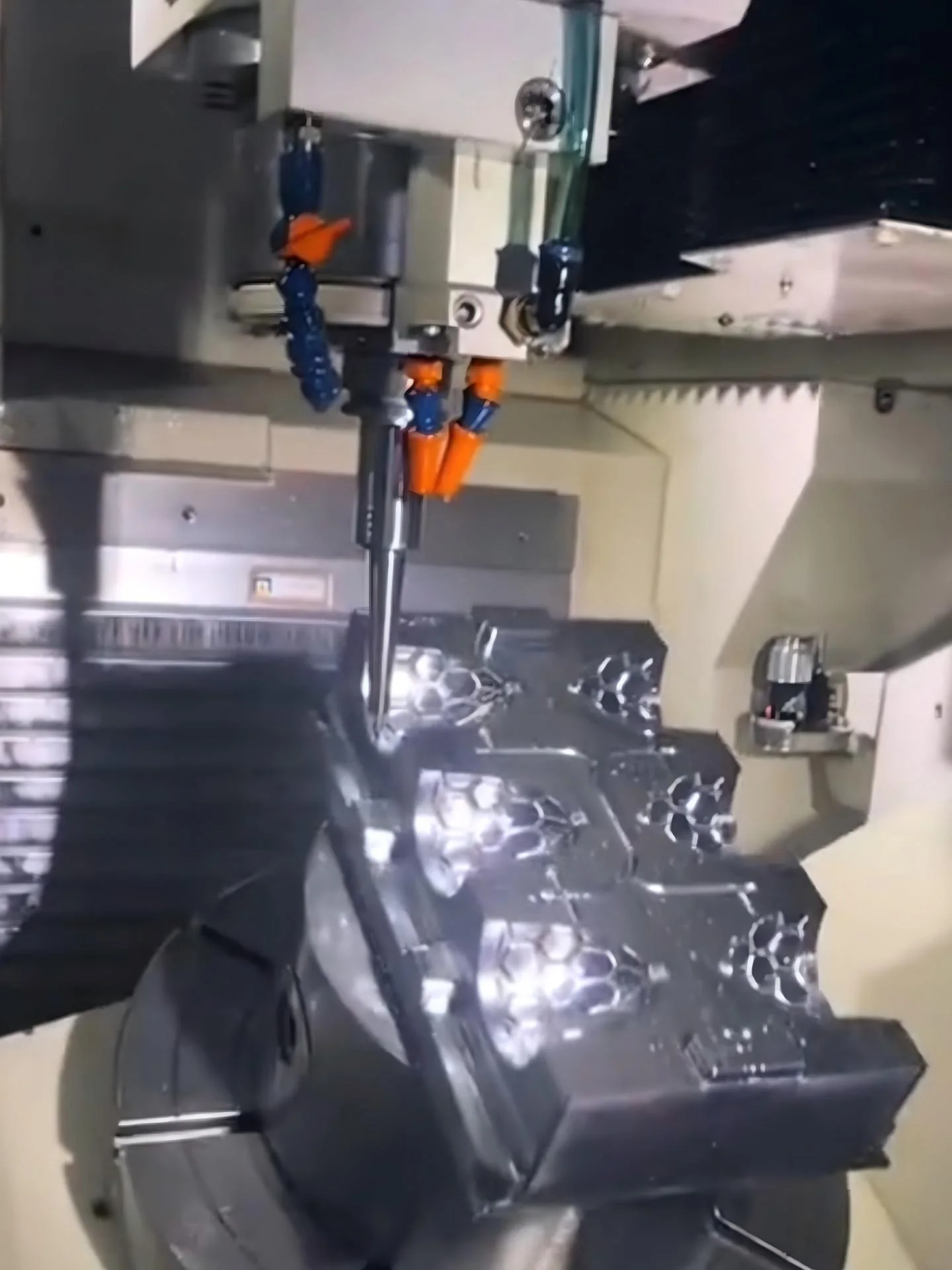
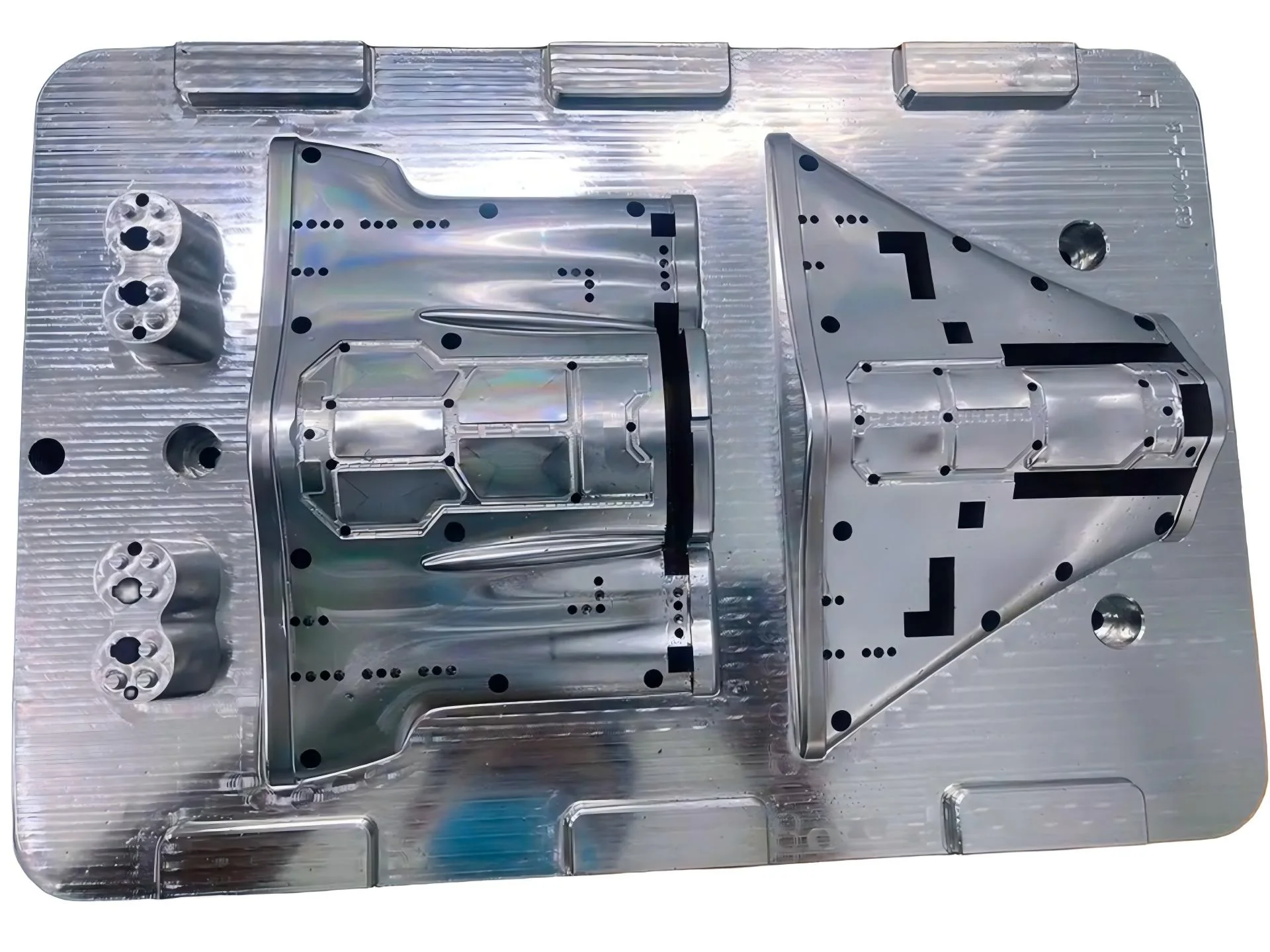
A family mold produces different but related components in the same molding cycle. Examples may include matched housing components or parts required for one assembly.
Combining different components in one tool can reduce the number of separate tools required, but the arrangement must support the parts' manufacturing requirements.
A family mold should be evaluated against the required part mix, not simply the number of different components that can fit into one tool.
Consider an identical-part multi-cavity mold when one component has sufficient repeat demand to justify producing several copies per cycle.
Consider a family mold when related components have compatible processing requirements and production quantities that can be supplied effectively together.
Separate molds may be more appropriate when components require different materials, substantially different processing conditions or independent production schedules.
Final tooling selection depends on the reviewed part designs, materiales, quantities and manufacturing requirements.
Provide the following information to help define the tooling and supply scope:
GPT Precision can review the enquiry with manufacturing partners to discuss the appropriate mold arrangement and project requirements.