Empresa China de Herramientas de Precisión
Traducción



- Llámanos al
+86 755 2308 9686 - Envíenos un correo electrónico
sales@precisiontoolingchina.com - Whatsapp
+86 13530516428
Factores de coste del prototipado CNC
diciembre 23, 2016
Factores de costo de prototipos CNC: Qué determina el costo de los prototipos mecanizados CNC?
Una guía completa para optimizar diseños, Ajustar tolerancias, and Reduce Manufacturing Expenses
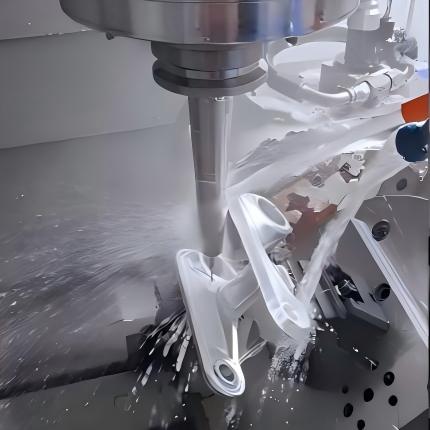
El mecanizado CNC sigue siendo uno de los métodos de fabricación más confiables y precisos para producir prototipos en industrias como la aeroespacial, automotriz, médica, electrónica, y equipos industriales. Sin embargo, CNC prototyping costs can vary significantly from one project to another.
Understanding the key cost drivers behind CNC prototyping can help engineers and product developers make informed decisions, optimize designs, and reduce manufacturing expenses without compromising quality. At GPT Precision Co., Ltd, our experienced engineering team helps customers balance performance, precision, and budget to achieve the most cost-effective prototyping solutions.
What Affects CNC Prototyping Costs?
The cost of CNC prototyping is primarily influenced by four major factors:
Part design complexity
Tolerance requirements
Material selection
Surface finishing requirements
Examinemos cada factor en detalle.
1. Complejidad del diseño
La geometría de la pieza es uno de los contribuyentes más significativos a los costos de mecanizado CNC. Componentes simples con características básicas, superficies planas, y agujeros estándar pueden mecanizarse rápida y eficientemente. En contraste, las geometrías complejas requieren operaciones de mecanizado adicionales, herramientas especializadas, múltiples configuraciones, y tiempos de ciclo más largos, todo lo cual incrementa los costos de producción.
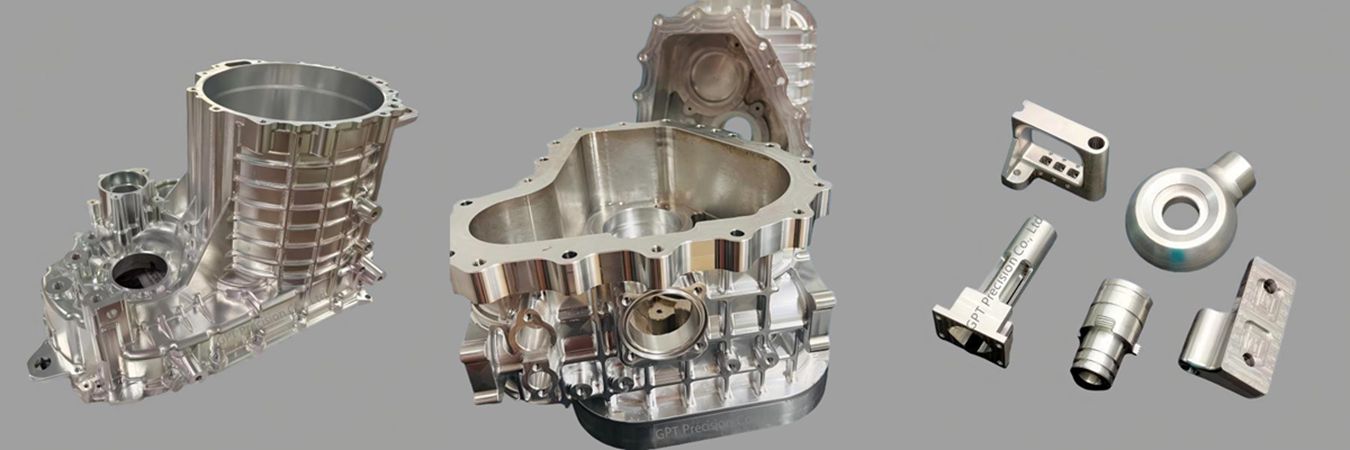
Fig 2: Visualizando la dificultad geométrica: geometría simple vs compleja.
Las características que comúnmente aumentan los costos de mecanizado incluyen:
- Cavidades profundas
- Rebajes
- Paredes delgadas
- Múltiples tamaños de agujeros
- Contornos complejos
- Esquinas internas estrechas
- Características de superficie con alto detalle
Cuanto más tiempo de mecanizado se requiere, mayor es el costo final. Cuando el presupuesto es una preocupación, revisar el diseño para la fabricabilidad (DFM) a menudo puede revelar oportunidades para simplificar ciertas características mientras se mantiene la funcionalidad. En GPT Precision, nuestro equipo de ingeniería trabaja en estrecha colaboración con los clientes para optimizar el diseño de piezas tanto para el rendimiento como para la eficiencia de costos.
💡 Consejo profesional: Revisión DFM para ahorro de costos
Pequeños ajustes geométricos pueden reducir radicalmente los tiempos de ciclo. En GPT Precision, automáticamente proporcionamos un análisis DFM con cada cotización.
2. Requisitos de tolerancia
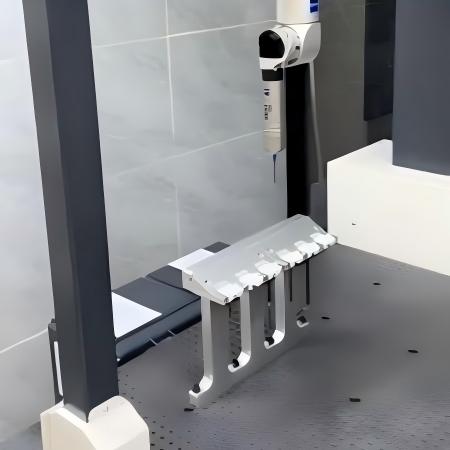
Las especificaciones de tolerancia afectan directamente el costo del mecanizado. Una de las mayores ventajas del mecanizado CNC es su capacidad para producir componentes altamente precisos. Sin embargo, alcanzar tolerancias extremadamente estrictas requiere velocidades de mecanizado más lentas, procedimientos de inspección adicionales, y ajustes de máquina más precisos.
A medida que los requisitos de tolerancia se vuelven más estrictos, los costos de fabricación aumentan considerablemente. Las investigaciones han mostrado que los costos de mecanizado pueden casi duplicarse al pasar de tolerancias relativamente relajadas a tolerancias de precisión estándar. Los costos pueden aumentar varias veces más cuando se requieren tolerancias ultra estrictas.
Para aplicaciones de prototipos, es importante evaluar si cada característica realmente requiere tolerancias estrictas. Aplicar precisión solo donde es funcionalmente necesario puede conducir a ahorros de costos sustanciales.
3. Selección de Material
La elección del material tiene un impacto directo en los costos de prototipos CNC. El costo total del material consiste tanto en el precio del material en bruto como en la maquinabilidad. Incluso los materiales con precios de compra similares pueden generar diferentes costos de mecanizado dependiendo de lo fácil que sean de cortar y procesar.
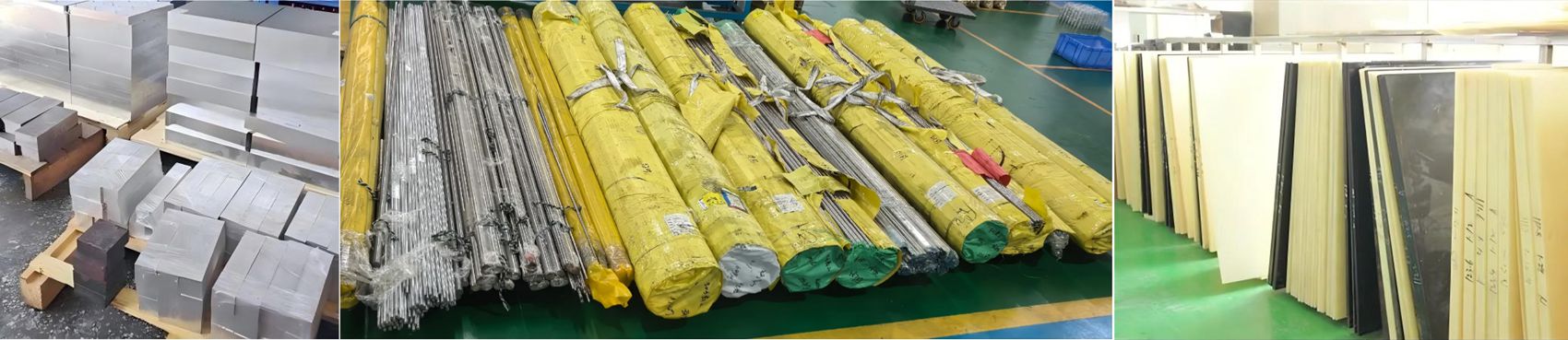
Fig 4: Comparación de costos de fabricación entre plásticos y metales de ingeniería estándar.
Plásticos comunes para prototipos: ABS, POM (Delrin), PC (Policarbonato), PA (Nylon), PMMA (Acrílico).
Metales comunes para prototipos: Aluminio, Acero inoxidable, Titanio, Latón, Inconel, Acero para herramientas.
Seleccionar el material más adecuado para la aplicación puede reducir significativamente los gastos generales del proyecto.
4. Requisitos de acabado superficial
El acabado superficial es otro factor importante que contribuye a los costos del prototipado CNC. Después del mecanizado, las piezas pueden someterse a varios tratamientos de postprocesamiento para mejorar la apariencia, durabilidad, resistencia a la corrosión, o funcionalidad.
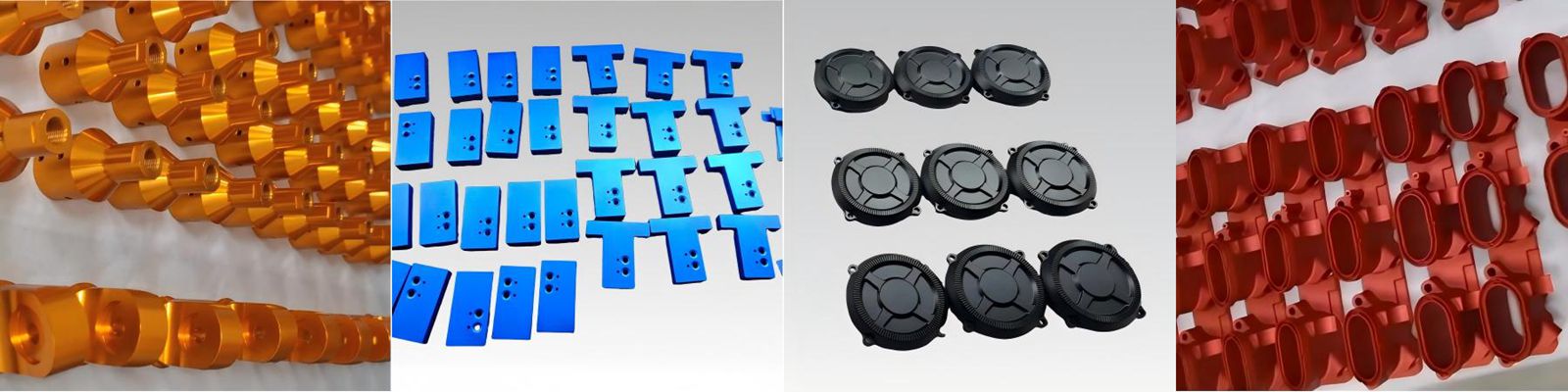
Fig 5: Destacando diversas texturas de materiales y opciones de acabado visual.
Cada proceso adicional de acabado agrega mano de obra, uso de equipo, y tiempo de procesamiento. Para prototipos donde la apariencia no es crítica, elegir un acabado tal como mecanizado puede ser una forma efectiva de minimizar costos. Si se requiere tratamiento superficial, seleccionar un solo proceso de acabado en lugar de múltiples tratamientos puede ayudar a mantener el control del presupuesto.
Factores adicionales que influyen en los costos de prototipos CNC
- Cantidad de producción: volúmenes más bajos, producir múltiples piezas idénticas reduce el costo por unidad.
- Tiempo de configuración de la máquina: Configuraciones complejas, herramientas personalizadas, y múltiples operaciones de máquina aumentan los costos.
- Requisitos de tiempo de entrega: Los programas de producción acelerada conllevan un recargo de precio más alto.
- Experiencia del proveedor: Un equipo de ingeniería experimentado a menudo puede reducir los costos del proyecto mediante estrategias de mecanizado optimizadas.

Fig 6: Colaboración de ingeniería optimizando diseños para la fabricabilidad y menores costos de prototipos.
Por Qué Elegir GPT Precision para Mecanizado CNC de Aluminio?
At GPT Precision Co., Ltd, nos especializamos en fresado CNC de alta precisión y fabricación de componentes de aluminio.
Nuestras Capacidades
- ✓ Docenas de centros de mecanizado CNC avanzados
- ✓ Mecanizado de 3 ejes, 4-eje, y 5 ejes
- ✓ Mecanizado complejo de múltiples caras en una sola configuración
- ✓ Tolerancias tan estrictas como ±0.001 mm
- ✓ Servicios desde prototipo hasta producción en masa
- ✓ Soporte de ingeniería desde el concepto hasta el producto
Industrias a las que Servimos
- Aeroespacial
- Automotriz
- Electrónica
- Dispositivos médicos
- Equipo Industrial.
- Procesamiento de Alimentos
Whether you have a complete CAD model or just an initial concept, our engineering team can help transform your ideas into precision-manufactured components with exceptional quality, precisión, and reliability.
Quizás también le guste
 La Guía Definitiva de Maquinado CNC de 3 Ejes, 4-Eje, y de 5 Ejes
 Problemas comunes y soluciones en mecanizado CNC
 Fresado CNC vs torneado CNC - Las diferencias
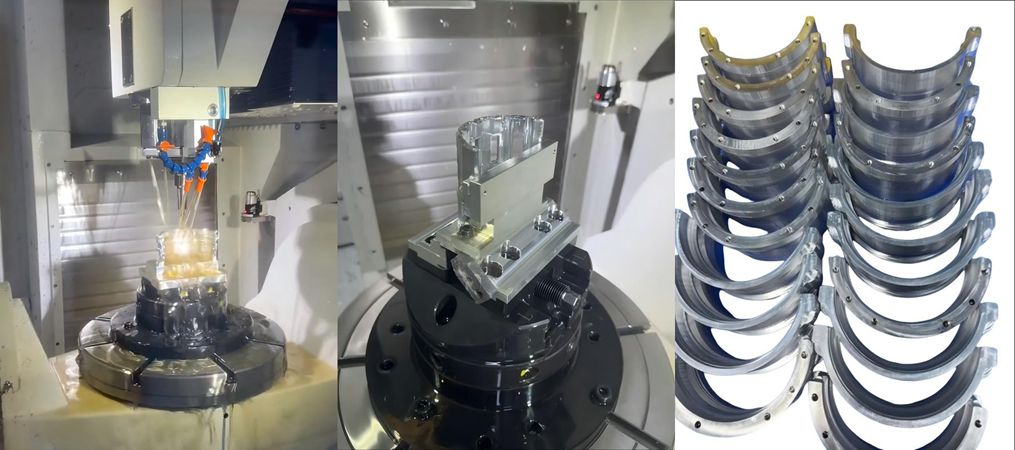 Diversas aleaciones de aluminio para fabricación
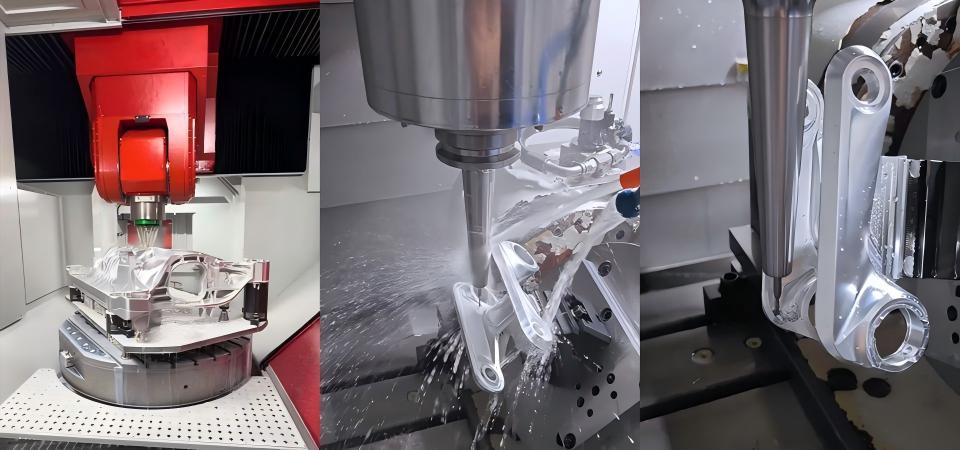 Factores de coste del prototipado CNC
Servicio