China Precision Tooling Company
Translation



» Case Studies » CNC prototyping cost drivers
CNC prototyping cost drivers
December 23, 2016
CNC Prototyping Cost Drivers: What Determines the Cost of CNC Machined Prototypes?
A Comprehensive Guide to Optimizing Designs, Refine Tolerances, and Reduce Manufacturing Expenses
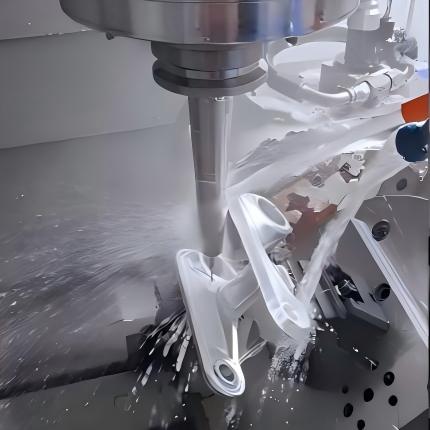
CNC machining remains one of the most reliable and precise manufacturing methods for producing prototypes across industries such as aerospace, automotive, medical, electronics, and industrial equipment. However, CNC prototyping costs can vary significantly from one project to another.
Understanding the key cost drivers behind CNC prototyping can help engineers and product developers make informed decisions, optimize designs, and reduce manufacturing expenses without compromising quality. At GPT Precision Co., Ltd, our experienced engineering team helps customers balance performance, precision, and budget to achieve the most cost-effective prototyping solutions.
What Affects CNC Prototyping Costs?
The cost of CNC prototyping is primarily influenced by four major factors:
Part design complexity
Tolerance requirements
Material selection
Surface finishing requirements
Let's examine each factor in detail.
1. Design Complexity
Part geometry is one of the most significant contributors to CNC machining costs. Simple components with basic features, flat surfaces, and standard holes can be machined quickly and efficiently. In contrast, complex geometries require additional machining operations, specialized tooling, multiple setups, and longer cycle times, all of which increase production costs.
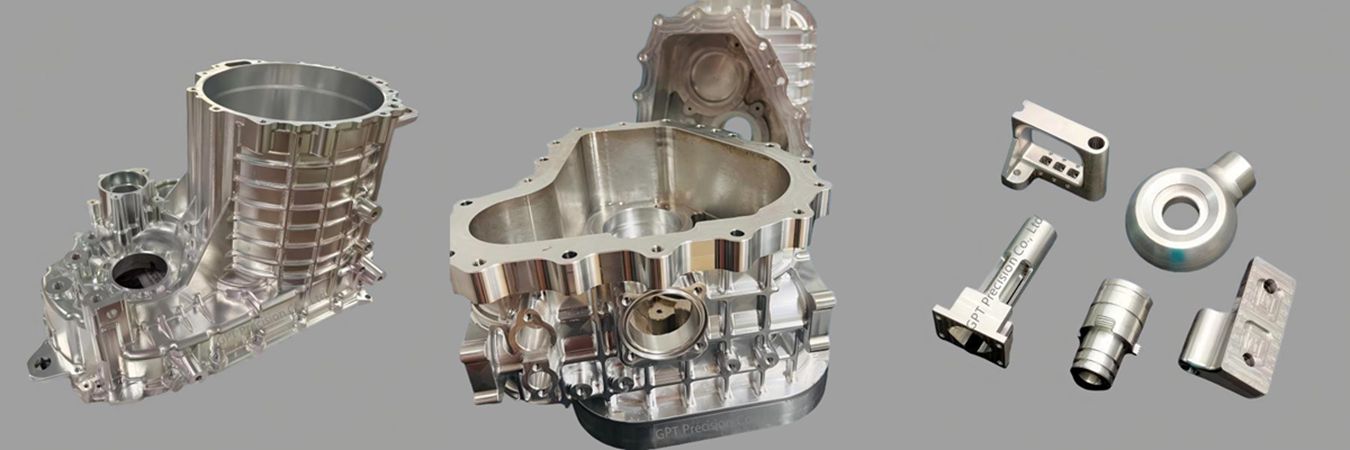
Fig 2: Visualizing geometric difficulty: simple vs intricate geometry.
Features that commonly raise machining expenses include:
- Deep cavities
- Undercuts
- Thin walls
- Multiple hole sizes
- Complex contours
- Tight internal corners
- High-detail surface features
The more machining time required, the higher the final cost. When budget is a concern, reviewing the design for manufacturability (DFM) can often reveal opportunities to simplify certain features while maintaining functionality. At GPT Precision, our engineering team works closely with customers to optimize part designs for both performance and cost efficiency.
💡 Pro Tip: DFM Review for Cost Savings
Minor geometric tweaks can radically reduce cycle times. At GPT Precision, we automatically provide a DFM analysis with every quote.
2. Tolerance Requirements
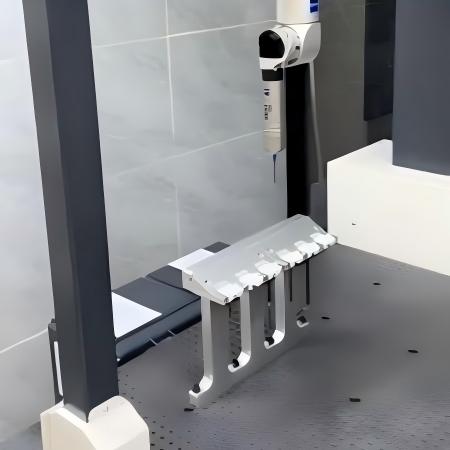
Tolerance specifications directly impact machining cost. One of the greatest advantages of CNC machining is its ability to produce highly accurate components. However, achieving extremely tight tolerances requires slower machining speeds, additional inspection procedures, and more precise machine adjustments.
As tolerance requirements become tighter, manufacturing costs increase substantially. Research has shown that machining costs can nearly double when moving from relatively loose tolerances to standard precision tolerances. Costs may increase several times further when ultra-tight tolerances are required.
For prototype applications, it is important to evaluate whether every feature truly requires tight tolerances. Applying precision only where functionally necessary can lead to substantial cost savings.
3. Material Selection
Material choice has a direct impact on CNC prototyping costs. The overall material cost consists of both raw material price and machinability. Even materials with similar purchase prices can generate different machining costs depending on how easily they can be cut and processed.
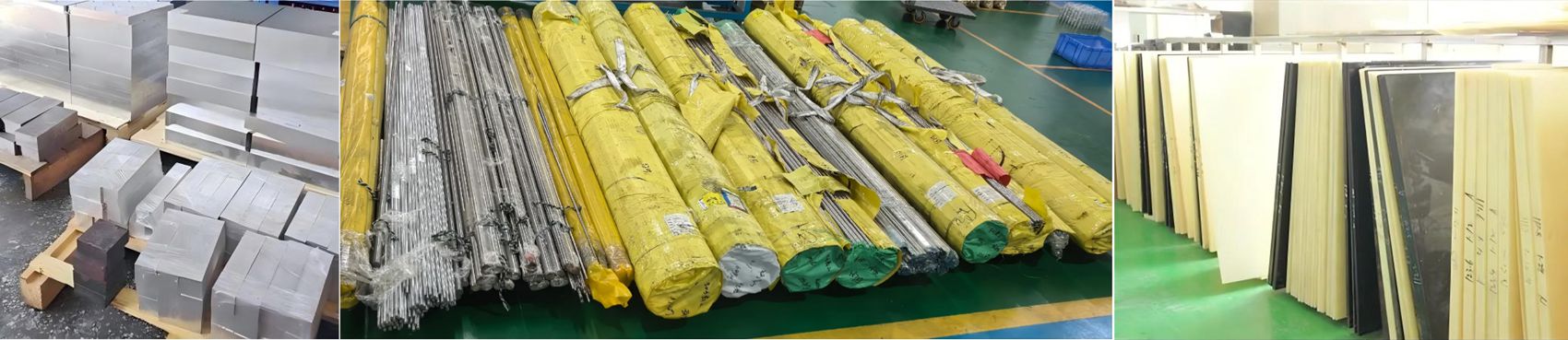
Fig 4: Manufacturing cost comparison across standard engineering plastics and metals.
Common Prototype Plastics: ABS, POM (Delrin), PC (Polycarbonate), PA (Nylon), PMMA (Acrylic).
Common Prototype Metals: Aluminum, Stainless Steel, Titanium, Brass, Inconel, Tool Steels.
Selecting the most appropriate material for the application can significantly reduce overall project expenses.
4. Surface Finishing Requirements
Surface finishing is another important contributor to CNC prototyping costs. After machining, parts may undergo various post-processing treatments to improve appearance, durability, corrosion resistance, or functionality.
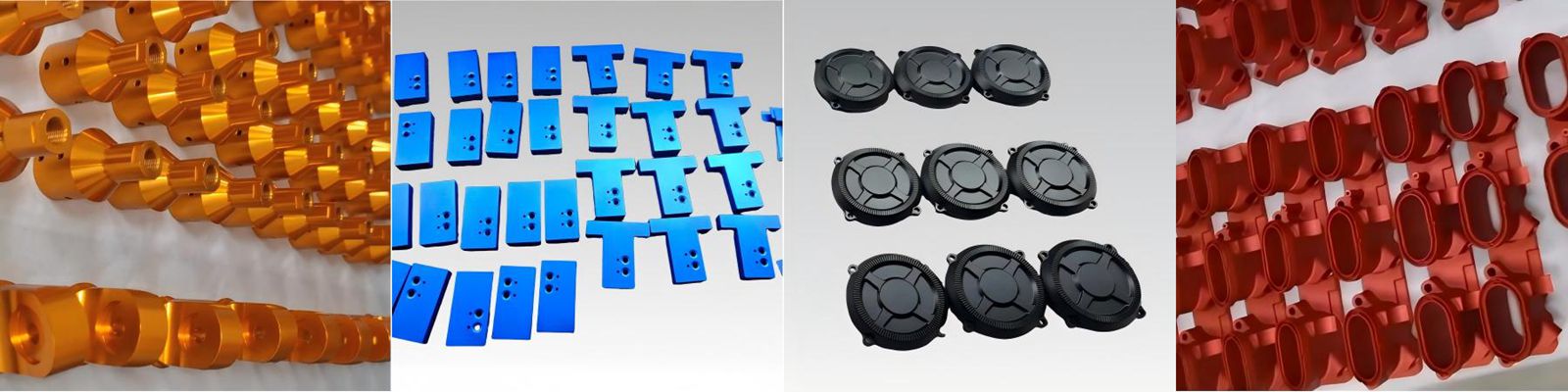
Fig 5: Highlighting diverse material textures and visual finish options.
Each additional finishing process adds labor, equipment usage, and processing time. For prototypes where appearance is not critical, choosing an as-machined finish can be an effective way to minimize costs. If surface treatment is required, selecting a single finishing process rather than multiple treatments can help maintain budget control.
Additional Factors Influencing CNC Prototyping Costs
- Production Quantity: lower volumes, producing multiple identical parts reduces the cost per unit.
- Machine Setup Time: Complex setups, custom fixtures, and multiple machine operations increase costs.
- Lead Time Requirements: Expedited production schedules carrier a higher pricing surcharge.
- Supplier Experience: Experienced engineering team can often reduce project costs through optimized machining strategies.
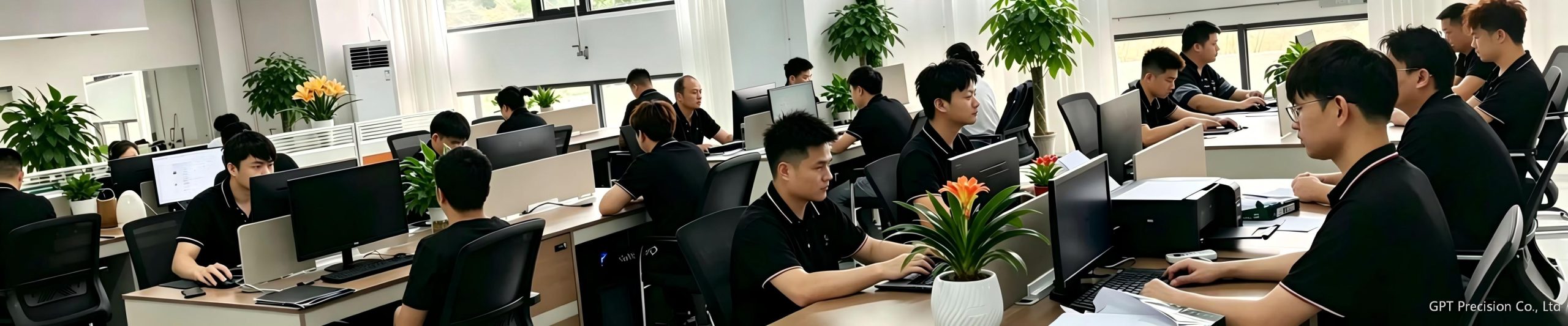
Fig 6: Engineering collaboration optimizing designs for manufacturability and lower prototyping costs.
Why Choose GPT Precision for Aluminum CNC Machining?
At GPT Precision Co., Ltd, we specialize in high-precision CNC milling and aluminum component manufacturing.
Our Capabilities
- ✓ Dozens of advanced CNC machining centers
- ✓ 3-axis, 4-axis, and 5-axis machining
- ✓ Complex multi-face machining in a single setup
- ✓ Tolerances as tight as ±0.001 mm
- ✓ Prototype to mass production services
- ✓ Engineering support from concept to product
Industries We Serve
- Aerospace
- Automotive
- Electronics
- Medical Devices
- Industrial Eq.
- Food Processing
Whether you have a complete CAD model or just an initial concept, our engineering team can help transform your ideas into precision-manufactured components with exceptional quality, accuracy, and reliability.
Maybe you like also
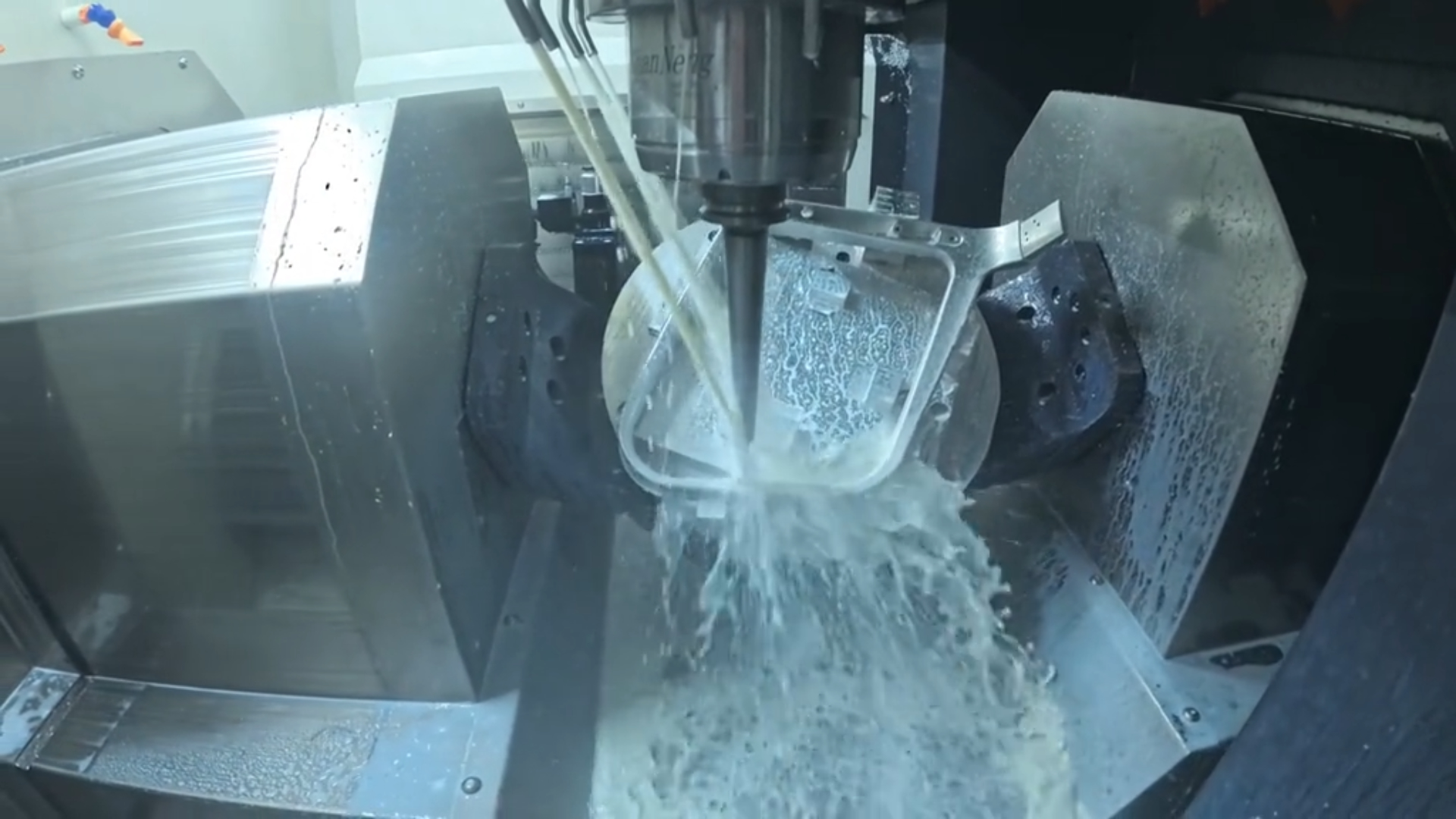 The Ultimate Guide to 3-Axis, 4-Axis, and 5-Axis CNC Machining
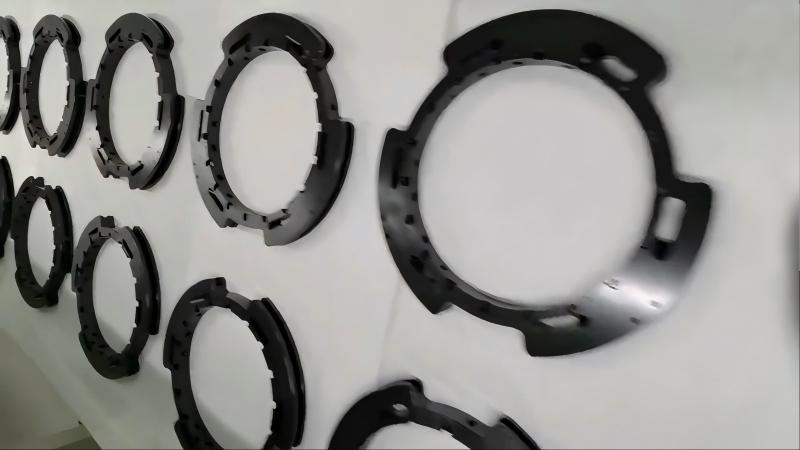 Common Problems and Solutions in CNC Machining
 CNC Milling vs CNC Turning-The Differences
 Various Aluminum Alloy for Manufacturing
 CNC prototyping cost drivers
Service