
Insert Location and Cavity Joints
Mold Inserts for Aluminum Die Casting
Use the insert drawing and parent die section to define seating, retention and cavity-joint checks.
- Proceso
- Review insert fit against the parent die assembly
- Materiales
- Specify the insert material and treatment separately from the casting alloy
- Cantidad
- Identify the insert positions and any spare quantities required
- Inspección
- Define individual insert and assembled cavity-joint checks
Product Overview
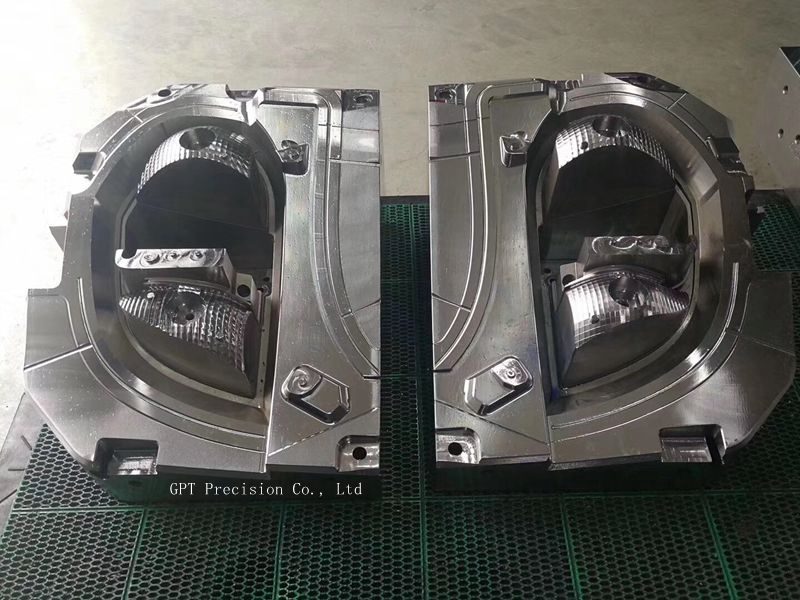
Consider an insert that forms part of a cavity for an aluminum casting. Use the insert drawing and the matching parent die section to identify the seating face, lateral locating features and retention method. Confirm the insert material, heat treatment and finish on the tooling drawing.
Key Features
- Mark the surfaces that support and locate the insert and the surfaces that provide assembly clearance.
- Identify any specified step, gap or profile limit where the insert meets the surrounding cavity.
Manufacturing Considerations
- Confirm drawing revisions, fitting and removal access, and the delivery condition for dimensional checks.
- Agree which checks apply to the individual insert and which require the parent die.
Control de calidad & Inspección
- Check specified insert profile and mating dimensions from the agreed references. Record the drawing revision and inspection condition.
- Where an assembled check is required, seat and retain the insert as specified. Verify the applicable step, gap or profile limits at the marked joint.
Specifications to Confirm
| Dibujos | Insert drawing and matching parent die section |
|---|---|
| Material | Insert grade, treatment and finish |
| Location and retention | Seating face, lateral locators and retention method |
| Clearance | Fitting or removal access and clearance surfaces |
| Cavity joint | Applicable step, gap or profile requirement |
| Inspection scope | References, results required and condition for each check |
Assembly Considerations
Seat and retain
Verify seating, lateral location and retention against the parent die section.
Check the joint
Where required, inspect the marked joint in the specified assembly condition.

Submit an Insert Drawing for Review
Send the insert drawing and parent die section with the locating faces, retention features, cavity joint and assembled inspection requirements marked.