China Precision Tooling Company
Traduction



- Appelez-nous au
+86 755 2308 9686 - Envoyez-nous un e-mail
sales@precisiontoolingchina.com - Whatsapp (en anglais seulement)
+86 13530516428
Le guide ultime du 3 axes, 4-Axe, et de l'usinage CNC 5 axes
Décembre 23, 2016
Le guide ultime du 3 axes, 4-Axe, et de l'usinage CNC 5 axes
Chez GPT Precision, notre installation ultramoderne est équipée d'une gamme complète de centres de fraisage CNC avancés 3 axes, 4-axe, et 5 axes. Pour les ingénieurs en conception, comprendre les capacités spécifiques de ces machines est essentiel pour optimiser la conception des pièces, maîtriser les coûts, et garantir la fabricabilité.
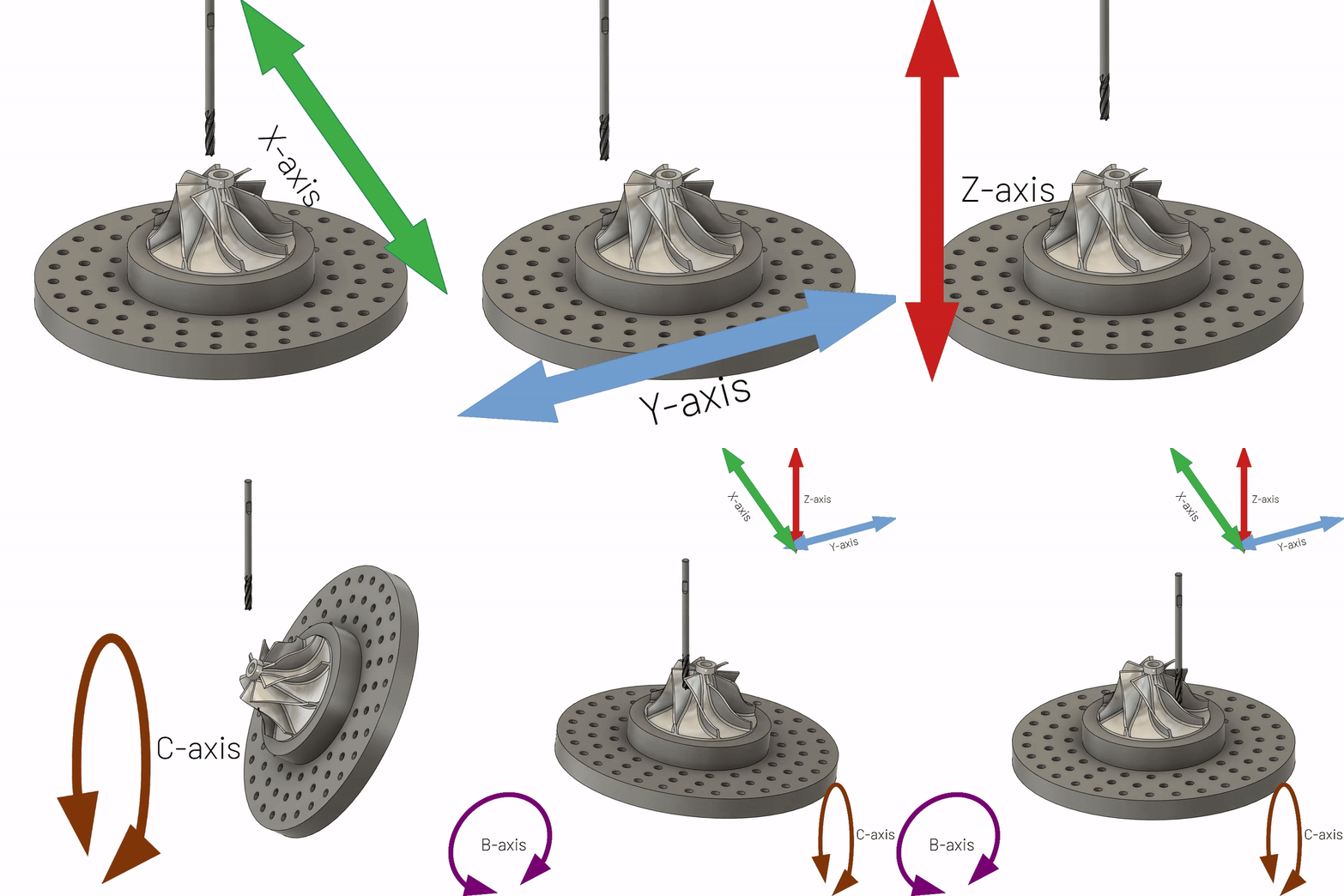
La référence aux "axes" describes the multi-directional movements a CNC machine can perform to remove material from a workpiece. A standard CNC machine operates along three primary linear planes:
Coordinate Systems & Motion Trajectories
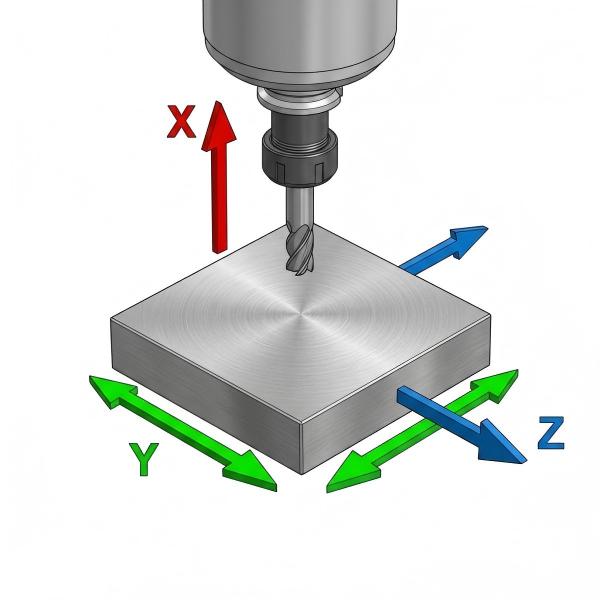
3-Axis Configuration
Linear motion exclusively across
X, Y, and Z axes.
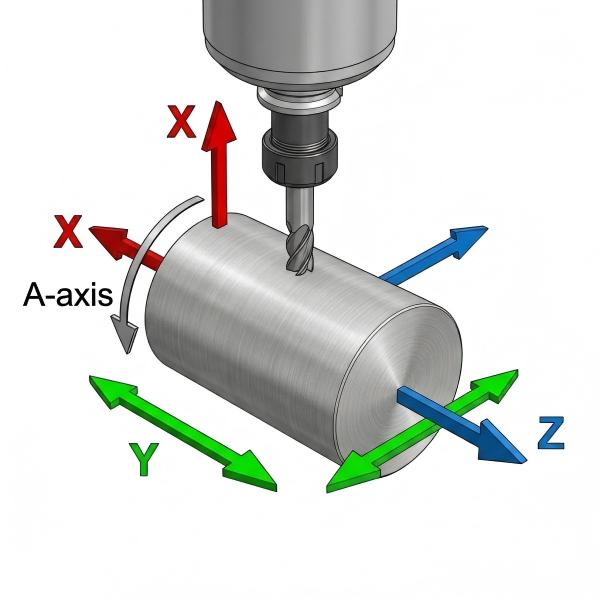
4-Axis Configuration
Adds rotation (A-Axis)
autour de l'axe X.
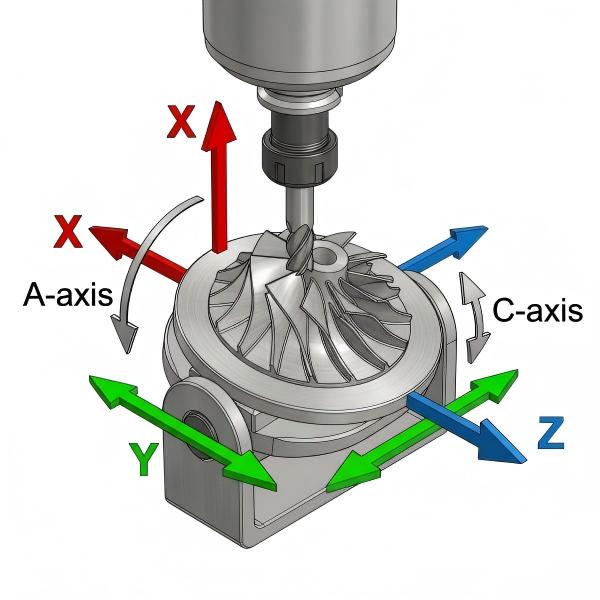
5-Axis Configuration
Ajoute deux axes de rotation
(par exemple, A & C).
3-Usinage CNC d'axe: La Fondation
Dans l'usinage 3 axes, la pièce reste stationnaire dans un seul montage tandis que l'outil de coupe se déplace le long des axes X, Y, et Z. Ce processus est très efficace pour la fabrication de géométries 2D et 2,5D où les caractéristiques ne nécessitent pas de profondeur à angles multiples.
Idéal pour:
- Opérations de fraisage automatiques et interactives
- Fraisage de rainures standards et de profils plans
- Perçage et filetage de trous en ligne avec un axe
- Découpage d'arêtes vives et composants mécaniques de base
Bien qu'il soit possible d'usiner les six faces d'une pièce, cela nécessite un repositionnement manuel et plusieurs montages. Les caractéristiques en contre-dépouille peuvent parfois être obtenues à l'aide d'outils spécialisés comme les fraises en T ou en queue d'aronde, but highly complex designs are usually more economically viable on 4 or 5-axis centers.
4-Usinage CNC d'axe: Adding Rotational Flexibility
To overcome the limitations of stationary setups, 4-axis machining introduces rotation. The spindle still moves along the X, Y, et Z, but the workpiece is mounted to a rotary axis (the A-axis), allowing it to rotate. Cela signifie que quatre faces d'une pièce peuvent être usinées dans une seule configuration de montage, accélérant considérablement la production et réduisant les erreurs cumulatives de positionnement.
Il existe deux méthodes principales d'usinage à 4 axes:
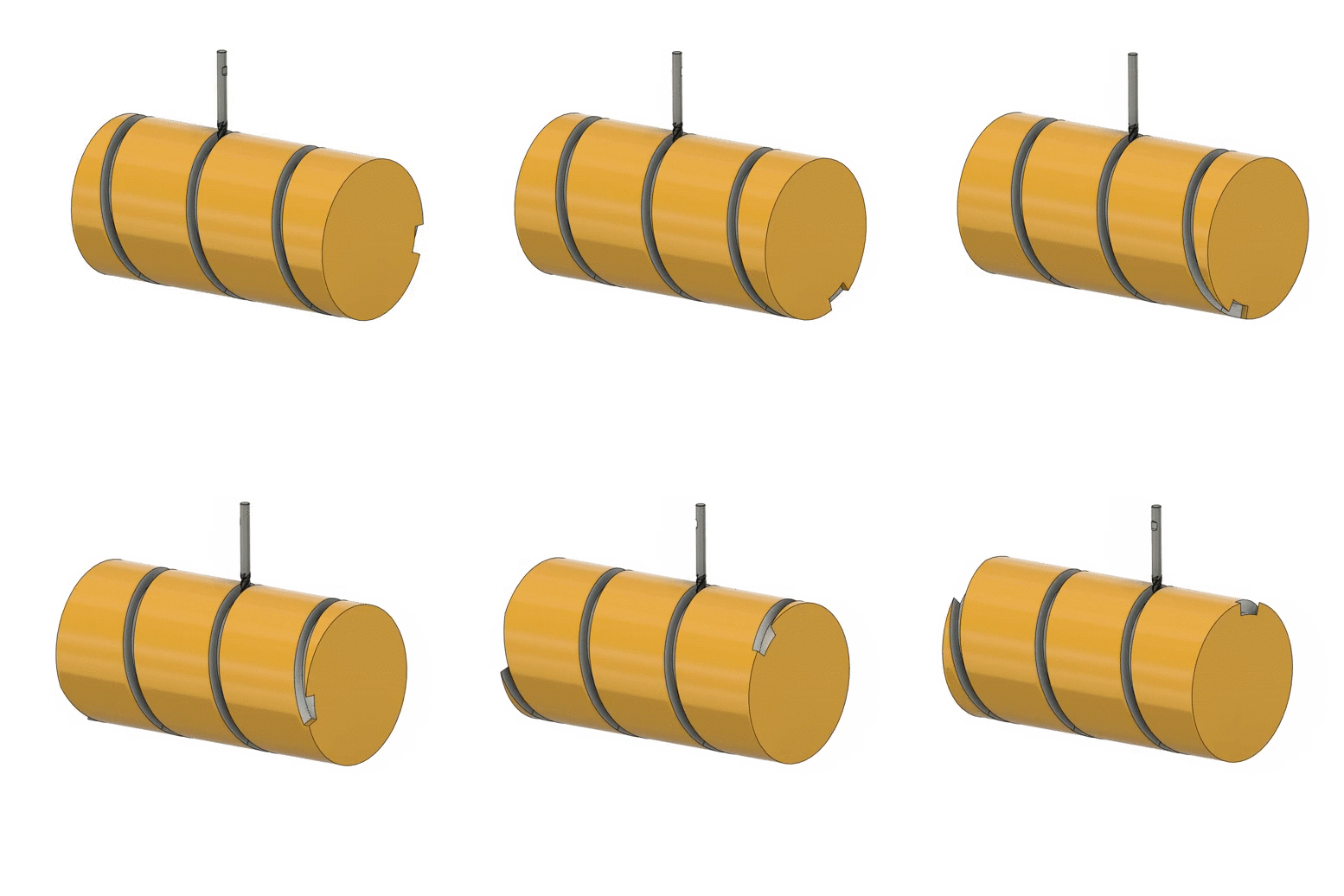
- 4 axes indexé: L'axe A fait pivoter la pièce à un angle spécifique, un frein la bloque en place, et la machine effectue la coupe. Elle ne coupe pas pendant la rotation.
- 4 axes continu: L'outil de coupe enlève le matériau simultanément pendant que l'axe A tourne. Ceci est essentiel pour l'usinage des arcs complexes, des cames, et des profils hélicoïdaux.
Conseil de conception:
4-l'usinage à axes permet des caractéristiques inclinées, mais comme il n’y a qu’un seul axe de rotation par configuration, toutes les caractéristiques inclinées doivent se rapporter à ce même axe à moins que des montages supplémentaires ne soient utilisés.
5-Usinage CNC d'axe: Maîtriser les géométries complexes
5-les machines à axes utilisent deux axes de rotation en plus des trois axes linéaires standards. Depending on the machine's architecture, cela pourrait être une combinaison des axes A et C, ou des axes B et C, entraînés soit par l'inclinaison de la tête de broche, soit par la rotation de la table à cardan.
Il existe deux configurations principales:
- 3+2 Usinage d'axe (5 axes positionnels): Les deux axes de rotation orientent la pièce à tout angle composé, la bloquent en place, et le parcours d'outil standard à 3 axes exécute l'usinage. Bien qu'elle ne tourne pas pendant l'usinage, elle s'attaque efficacement à des formes 3D très complexes sous presque tous les angles.
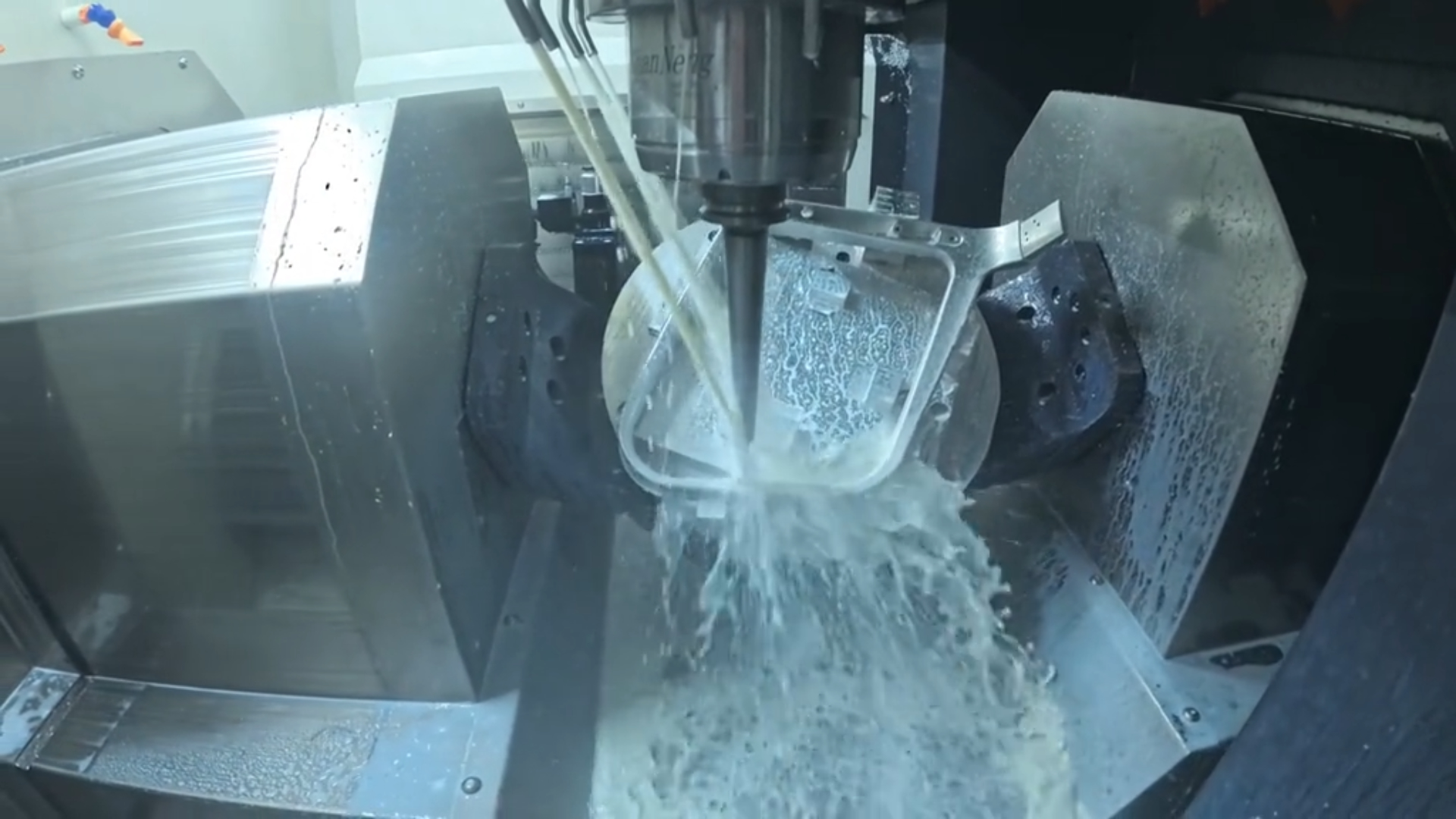
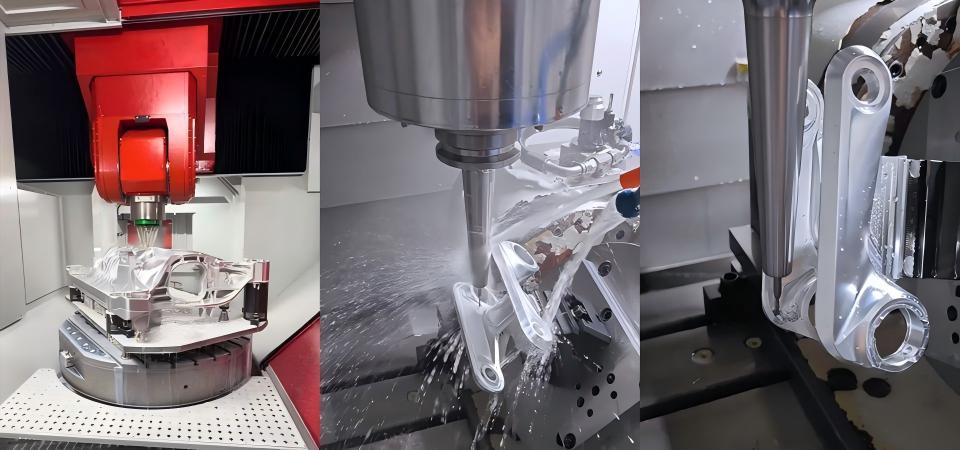
- 5 axes entièrement continus: La machine déplace simultanément l'outil de coupe linéairement selon les coordonnées X,, Y, Z tout en faisant tourner continuellement les deux axes de rotation. Cette capacité est inégalée pour produire des surfaces 3D courbes complexes, telles que les pales de turbine ou les turbines aéronautiques, nous donnant la possibilité d'usiner des pièces normalement réservées aux procédés de moulage spécialisés.
Dynamic Machining Demonstrations
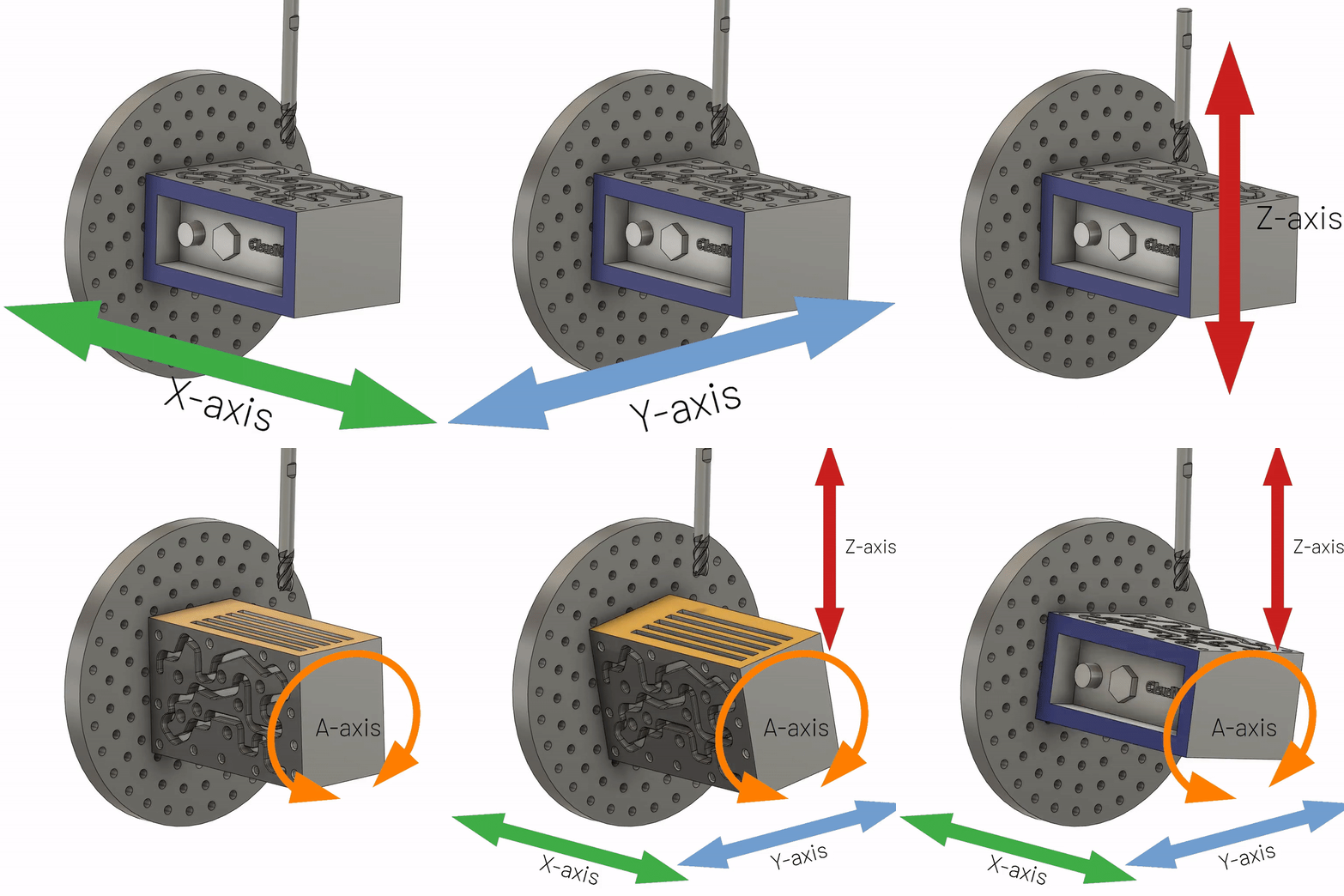
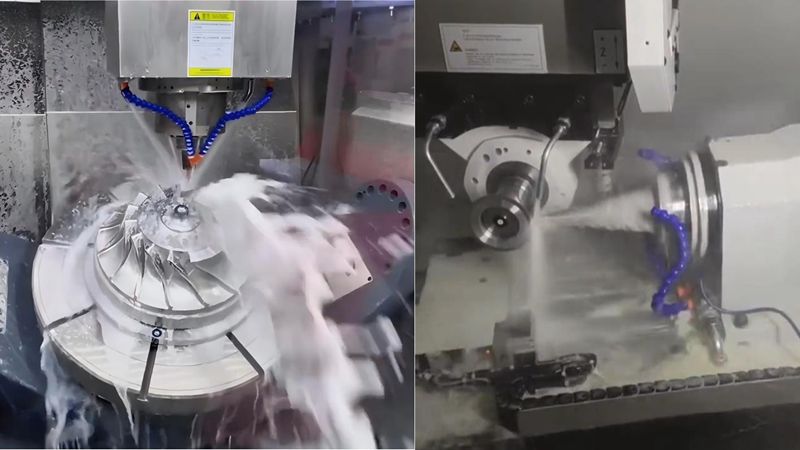
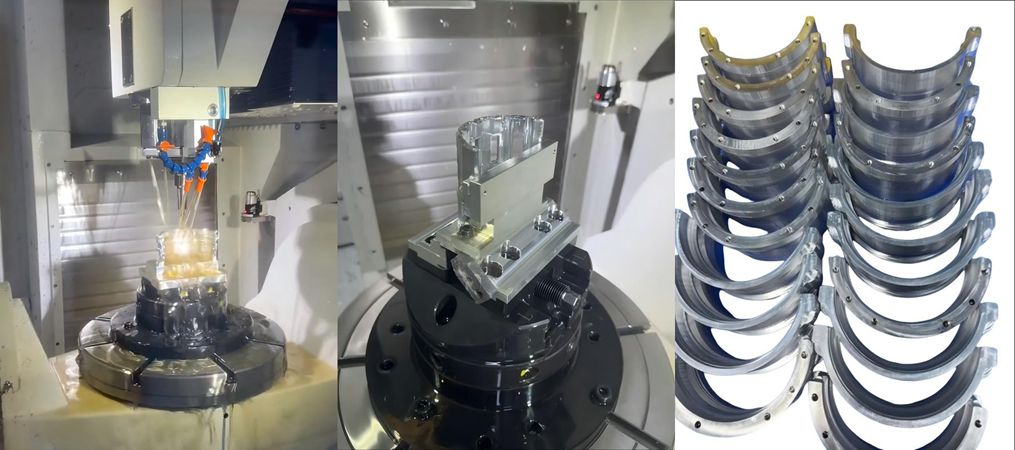
4 axes indexé
Rotation à un angle avant coupe
4 axes continu
Rotation et coupe simultanées
5 axes entièrement continus
Capacité inégalée pour les surfaces 3D complexes
Prêt(e) à optimiser votre prochaine conception complexe?
Envoyez-nous votre CAD, STEP, ou fichiers PDF. Notre équipe d'ingénierie chez GPT Precision examinera votre géométrie et fournira un devis compétitif en utilisant nos capacités avancées multi-axes.
Téléchargez les plans & obtenez un devis
Délai rapide • Tolérances strictes • Usinage CNC avancé
Peut-être que cela vous intéresse aussi
 Le guide ultime du 3 axes, 4-Axe, et de l'usinage CNC 5 axes
 Problèmes courants et solutions en usinage CNC
 Fraisage CNC vs Tournage CNC - Les différences
 Différents alliages d'aluminium pour la fabrication
 Facteurs de coût du prototypage CNC
Service